

Wearables
Latest Andru Edwards Videos
XREAL’s Aura Finally Has a Price. It’s $1,279, and You Can’t Buy One Yet.

Posted by Andru Edwards Categories: Wearables, Google,
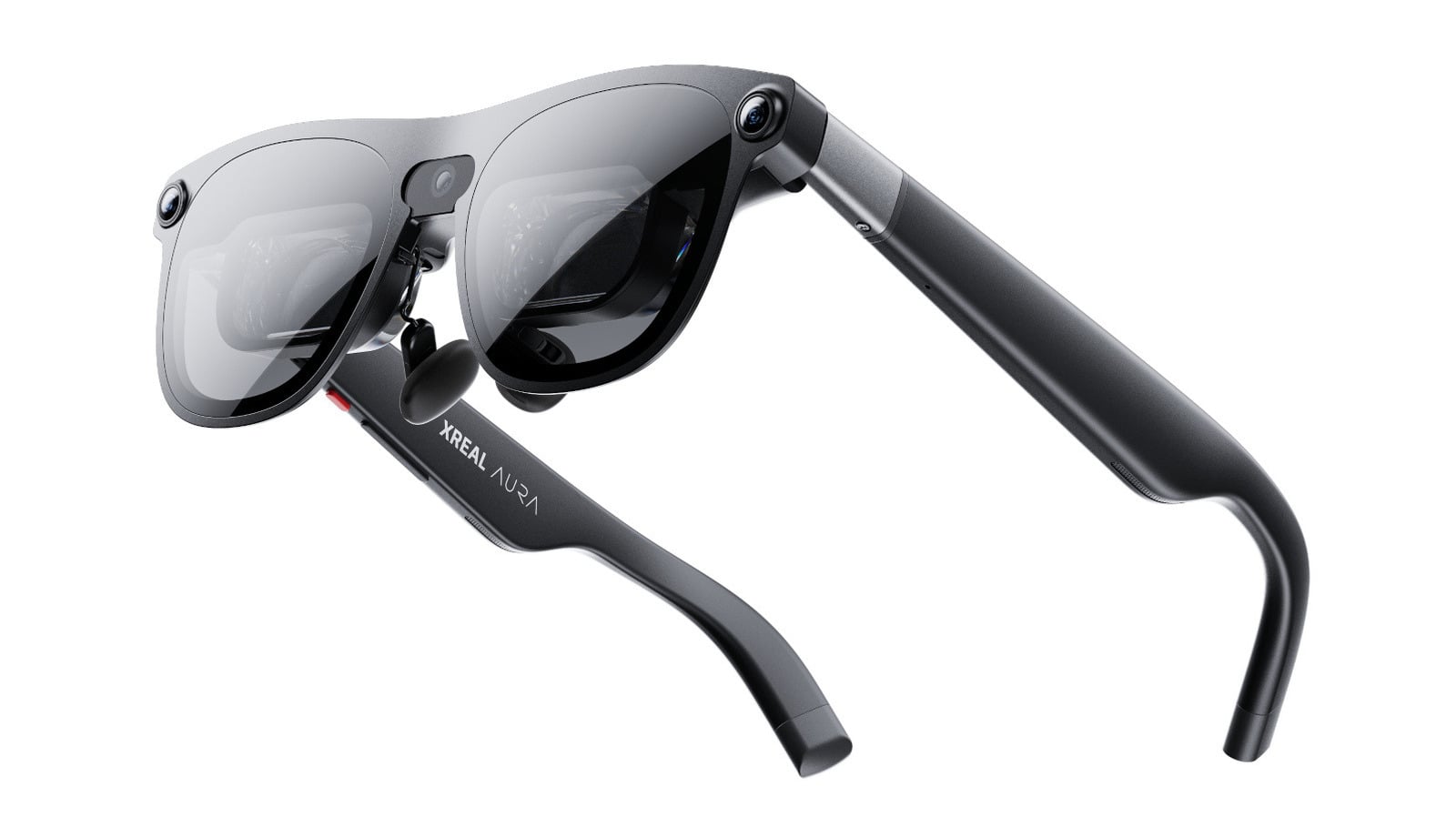
XREAL has been taking deposits on the Aura without telling anyone what it would cost. Today the company filled in the blank. The Android XR glasses start at $1,279, and the larger configuration is $1,499.
If that sounds like phone money, it is. The catch is that you probably can't spend it yet. Preorders opened only to people who already put down a reservation deposit. Everybody else waits for what XREAL calls "the coming weeks," which is not a date.
Click to continue reading XREAL’s Aura Finally Has a Price. It’s $1,279, and You Can’t Buy One Yet.
Advertisement
Bloomberg: Apple Postponed Its Camera Pendant, and Is Prototyping a Screenless Fitness Band
Posted by Andru Edwards Categories: Apple, Wearables, Rumors,
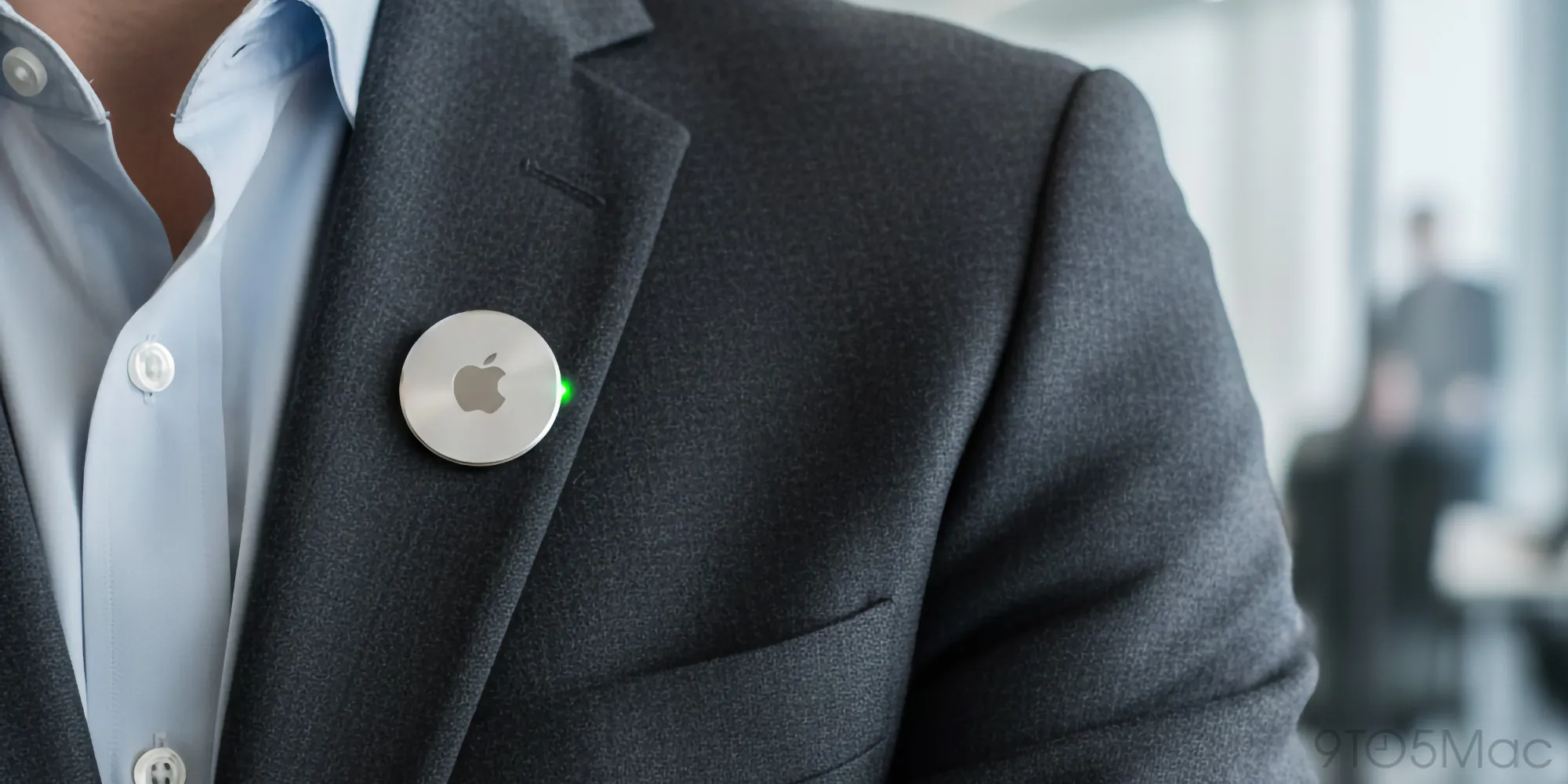
An always-on camera hanging from your neck is a lot to ask of a person. Bloomberg's Mark Gurman reports that Apple has landed in roughly the same place, at least for now. Gurman says the company has postponed its AI pendant, the small camera-and-microphone wearable that was meant to feed Siri a live look at whatever is in front of you.
Gurman has described it as something you could hang around your neck, clip to your clothes, or wear on your body, with the camera doing the job your phone camera does now when you point it at a menu and ask what to order. Prototype descriptions in the reporting put it near the size of an AirTag, a thin disc of aluminum and glass with a button on the side. Apple has never announced it, never named it, and has said nothing about any of this.
Google’s Pixel Watch Can Now Estimate Your Blood Pressure
Posted by Andru Edwards Categories: Wearables, Google, Software,
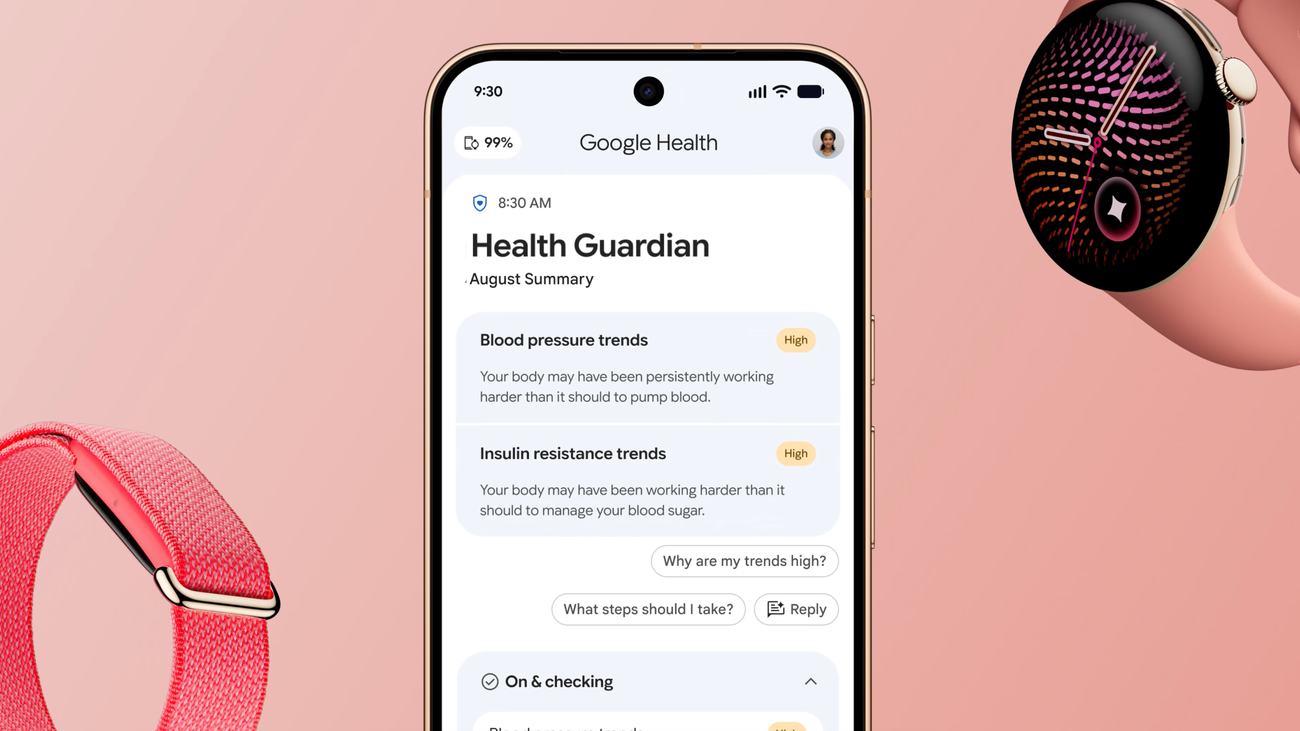
Google's Health Guardian tools start rolling out to the Google Health app this week, which means your Pixel Watch is about to start estimating your blood pressure. It reads your pulse and your motion all month, with no cuff and no calibration, and then tells you whether your numbers have been drifting higher. The first reports land in early October.
That word "estimating" is carrying a lot of weight. Blood pressure trends, insulin resistance trends and sleep breathing quality are all free on the Pixel Watch 3, 4 and 5. Google's own fine print calls all three general wellness features, says they cannot diagnose anything, and says they are not a replacement for the cuff in your bathroom drawer.
Click to continue reading Google’s Pixel Watch Can Now Estimate Your Blood Pressure
Meta’s Muse Charm Puts Your AI Agent on a Keychain by December
Posted by Andru Edwards Categories: Wearables, Artificial Intelligence,
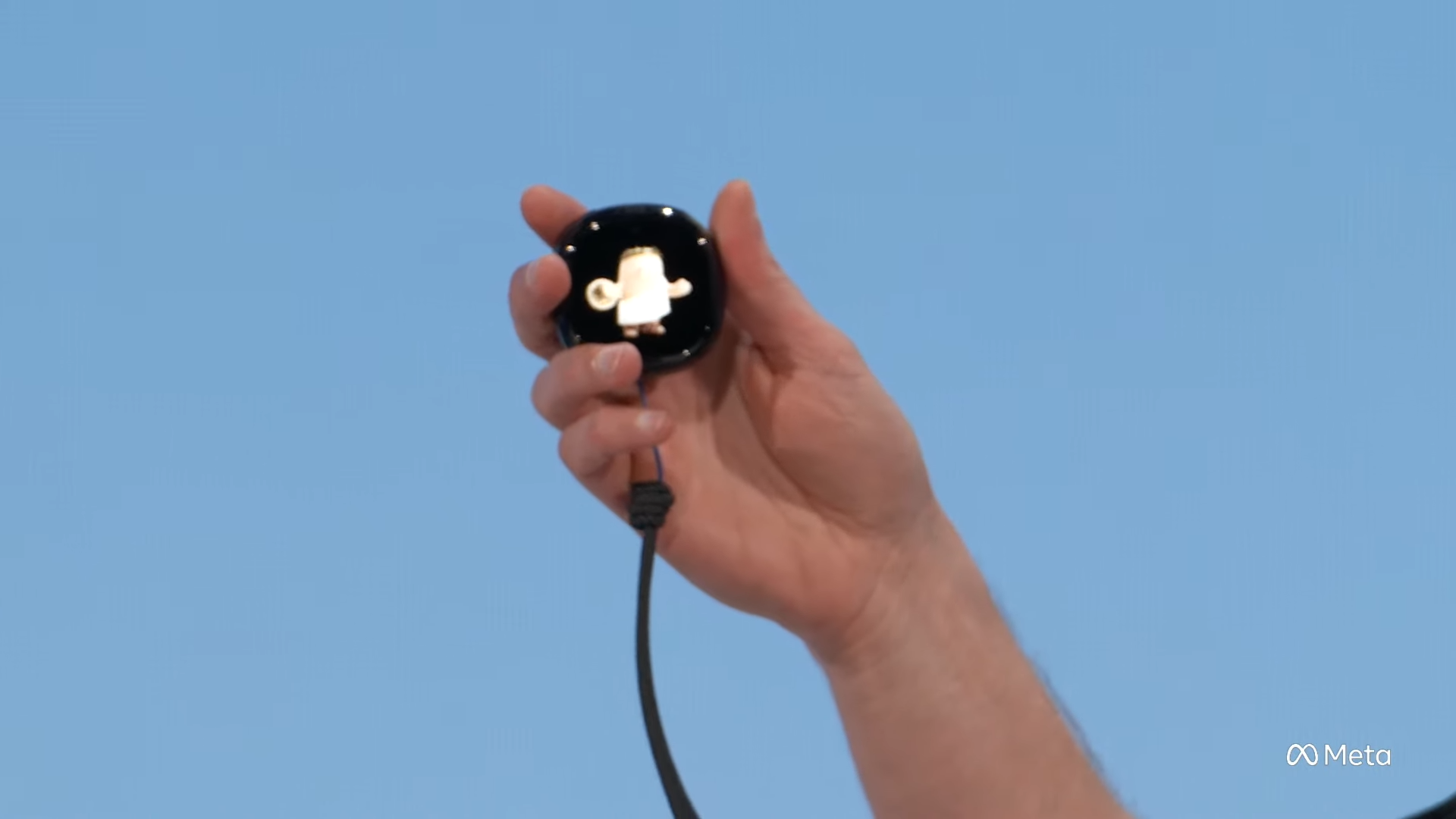
Meta saved its oddest piece of hardware for the last two minutes. At the end of tonight's Connect keynote, Mark Zuckerberg did a "one more thing" and held up a small black puck on a cord. It's called Muse Charm, Engadget's Karissa Bell put it at about the size of an Apple Watch, and its job is to give your Muse agent a body you can carry around. Zuckerberg said the design isn't finalized, but Meta plans to ship it "in time for the holidays," in December.
The Charm has a screen, and your Muse avatar lives on it. In Zuckerberg's case that's Agrippa, the toga-wearing Roman he'd been talking to all night. Tom's Guide's live notes say Meta has "only built a few of these so far," that you tap a fingerprint sensor in the corner, and that the "entire Muse AI" is built in. Engadget's Cherlynn Low said it "feels like a Tamagotchi met an AI wearable," and the stage shots back her up.
Click to continue reading Meta’s Muse Charm Puts Your AI Agent on a Keychain by December
Meta’s $1,299 VR Glasses Weigh 100 Grams Because the Computer Rides in Your Pocket
Posted by Andru Edwards Categories: Wearables, Displays, Video Games,
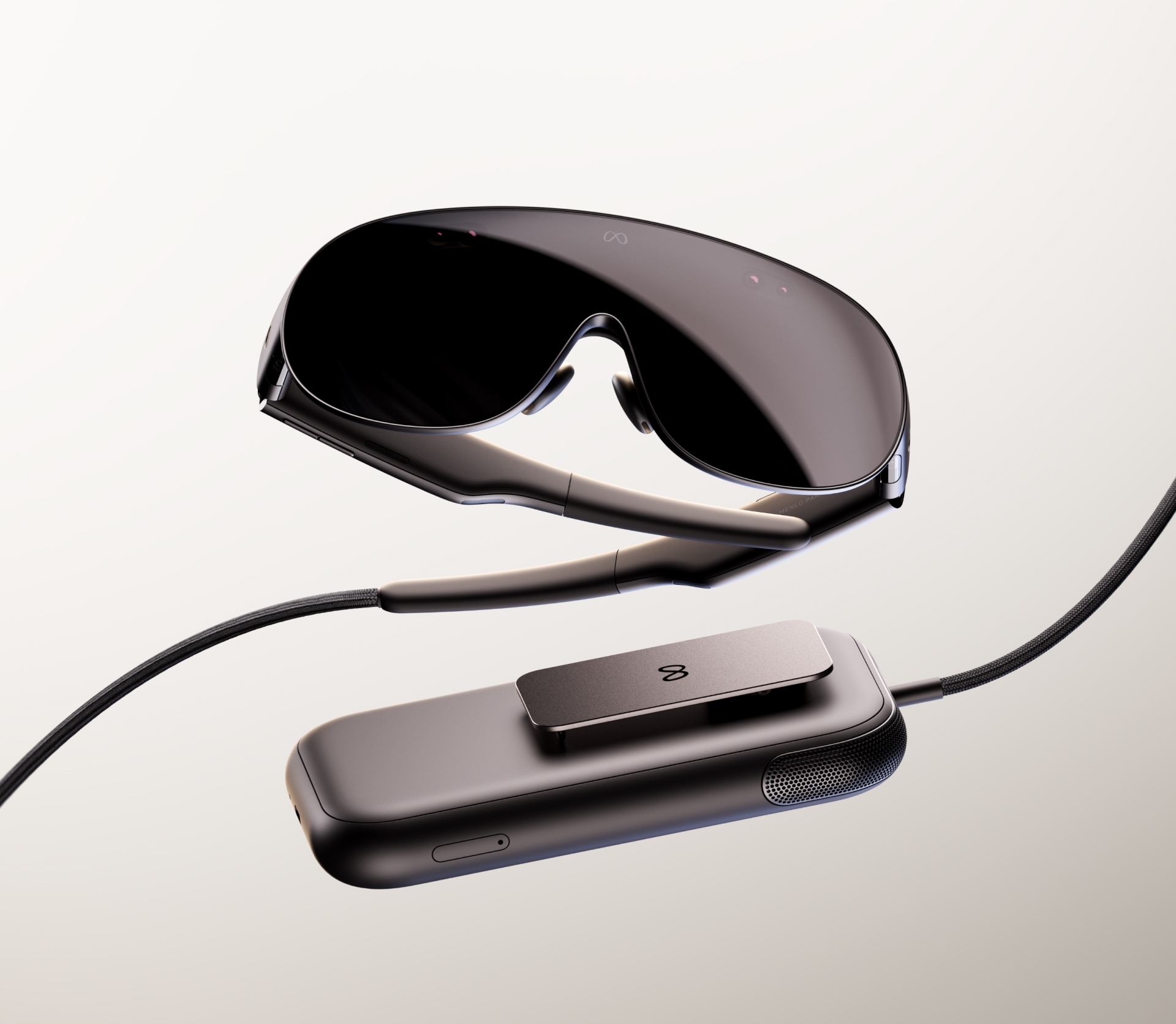
Every VR headset asks you to strap a computer, a battery, and two screens to your face. Meta's new VR Glasses take the computer and the battery off. The glasses weigh about 100 grams, roughly a deck of cards, and everything heavy lives in a phone-sized puck that clips to your pocket and runs a cable up to your temple. They cost $1,299.99 and go on sale in spring 2027.
Mark Zuckerberg spent a big chunk of tonight's Connect keynote on them. Meta had been focusing less on the metaverse unless there was a breakthrough, he said, and then: "This is a breakthrough." He called it the result of more than a decade of work. It's Meta's first new VR hardware in about two years, since Quest 3S in fall 2024, and the pitch on stage came in three words: "Cinema. Computer. Console."
Beat Saber Goes Controller-Free and Supernatural Comes Back in Meta’s Connect Games Slate
Posted by Andru Edwards Categories: Wearables, Video Games,

"VR gaming is alive and well," Andrew Bosworth said on the Connect stage tonight. It's a confident thing to say eight months after Meta closed three of its own VR studios, and Meta backed it up with a games slate built around playing without controllers.
Most of these games are coming to Meta's new VR Glasses, the $1,299.99 lightweight headset that ships next spring (we covered the hardware separately), and most also run on Quest. The headliner is a Beat Saber you can play with bare hands. The surprise is Supernatural, the fitness app Meta bought and then stopped updating, which returns this fall without Meta.
Muse Is Replacing Meta AI on Meta’s Glasses, and You Get to Name It
Posted by Andru Edwards Categories: Wearables, Artificial Intelligence,
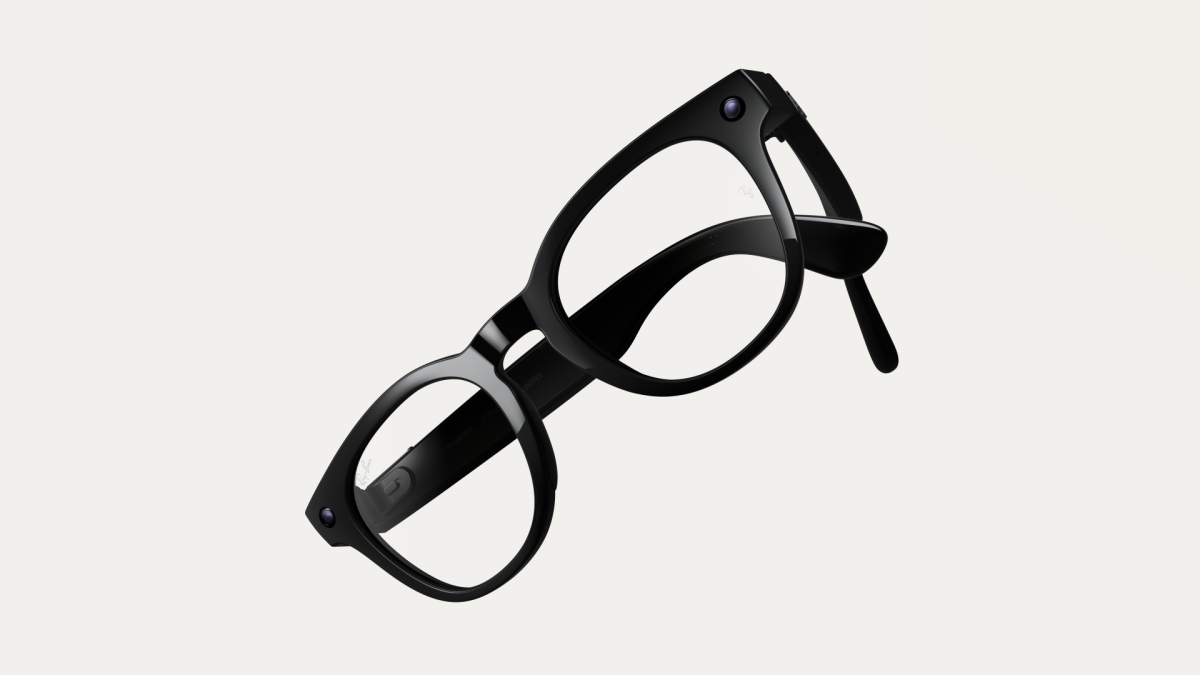
Talking to your glasses in public is awkward enough without starting every request with a corporation's name. At Meta Connect tonight, Meta said Muse, the personal AI agent it launched on September 8, is coming to its AI glasses and taking over from the built-in Meta AI assistant. You'll be able to give the assistant on your glasses your Muse's name and voice, which gives you an alternative to saying "Hey Meta."
Mark Zuckerberg showed it live. His Muse is a toga-wearing Roman named Agrippa, and Zuckerberg talked to it through a pair of Meta's glasses using Muse's new voice mode, reading off a long, complicated list of tasks. Agrippa gave the answer every good assistant gives before it goes off to do the work: "working on sending you options now."
Click to continue reading Muse Is Replacing Meta AI on Meta’s Glasses, and You Get to Name It
Meta’s Glasses Can Now Be a Hearing Aid, If You Pay $150 to Turn It On
Posted by Andru Edwards Categories: Wearables, Portable Audio / Video,
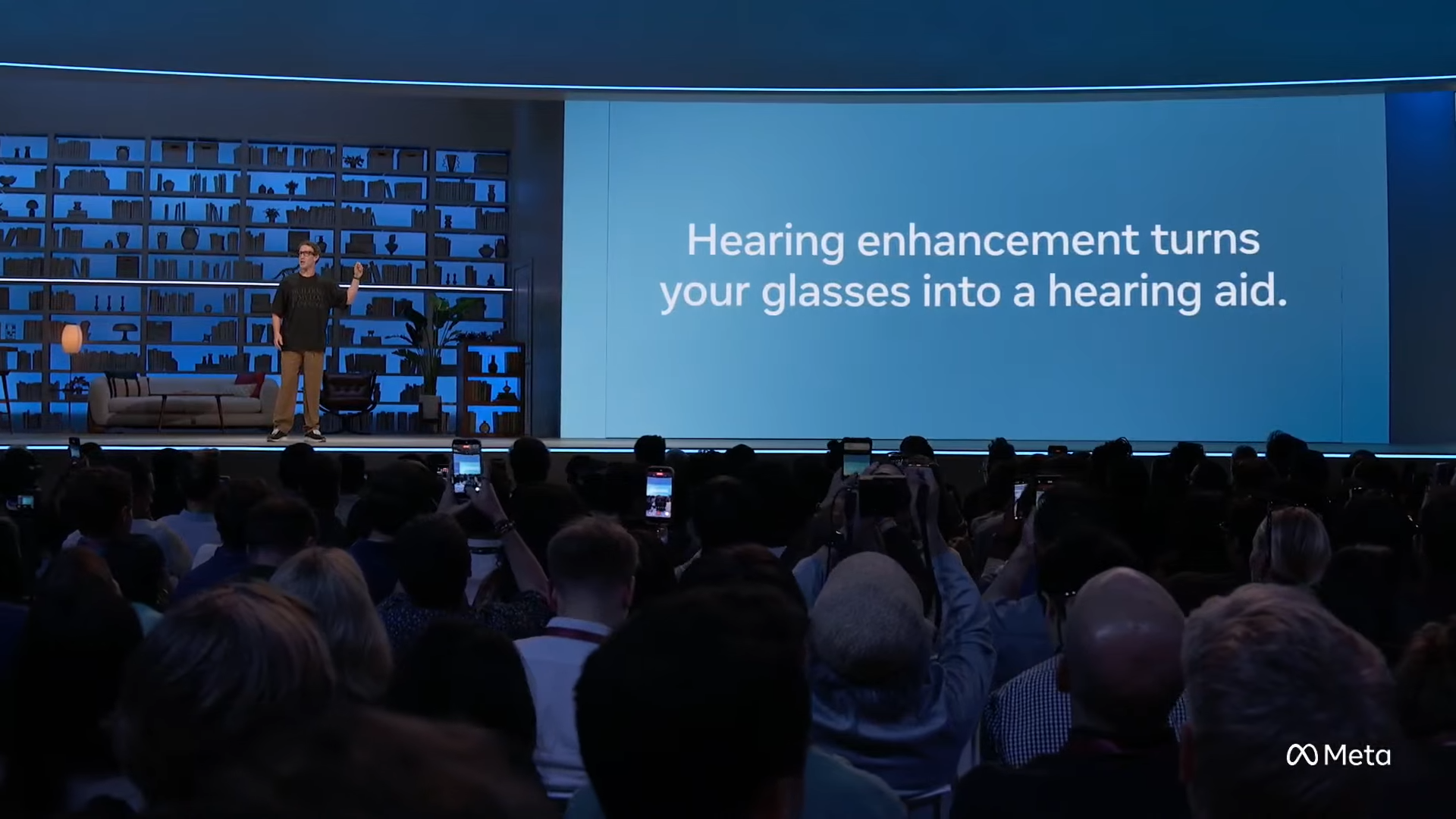
Meta's glasses can now work as a hearing aid. The feature is FDA-cleared for mild to moderate hearing loss, it held up in early hands-ons, and after a 30-day free trial it costs $149.99 on top of the glasses, a number Meta left out of its keynote.
Meta announced Hearing Enhancement at Connect on Wednesday night. Last year it showed Conversation Focus, which helps anyone pick out a voice in a noisy room. Hearing Enhancement goes further. The FDA cleared it as a self-fitting, over-the-counter hearing aid for people with mild to moderate hearing loss, so you don't need a prescription. It arrives in the US later this year on Meta Glasses, the line Meta launched with EssilorLuxottica in June starting at $299. The new Ray-Ban Meta (Gen 3) and the camera-free Ray-Ban Meta Audio get it after that.
Click to continue reading Meta’s Glasses Can Now Be a Hearing Aid, If You Pay $150 to Turn It On
Ray-Ban Meta Audio Ditches the Camera, Keeps the Mics, and Costs $349
Posted by Andru Edwards Categories: Wearables, Portable Audio / Video,

The quickest way to stop people calling your smart glasses creepy is to take out the camera. Meta did that tonight. Ray-Ban Meta Audio, announced at Connect, is Meta's first pair of glasses with no camera at all: speakers, microphones, and an AI assistant in a Ray-Ban frame, starting at $349.
Meta says audio has been the most popular feature on its glasses since day one, and this pair is built around it. At 43 grams, Meta calls them its lightest and slimmest AI glasses yet. They're rated for up to 12 hours of music, podcasts, calls, and assistant use on a charge, plus up to 48 more hours from the included charging case. Pre-orders are open now, and they ship October 13.
Click to continue reading Ray-Ban Meta Audio Ditches the Camera, Keeps the Mics, and Costs $349
Ray-Ban Meta Gen 3 Adds Aviators, an Action Button, and $70 to the Price
Posted by Andru Edwards Categories: Wearables,

Meta's third-generation Ray-Bans are slimmer, last an hour longer, and come as Aviators. They also cost $449, which is $70 more than Ray-Ban Meta (Gen 2) cost when it launched a year ago, and on the same night Meta put a pair of its own glasses on sale for $249.
Ray-Ban Meta (Gen 3) was announced at Connect on Wednesday night and is available today. Meta calls the line the world's best-selling AI glasses, and Gen 3 changes the parts you touch and hear more than the parts you shoot with. Tom's Guide's live blog greeted it with "Does it need to be, though?" For anyone already wearing Gen 2, I think the answer is no.
Click to continue reading Ray-Ban Meta Gen 3 Adds Aviators, an Action Button, and $70 to the Price