

Displays
Latest Andru Edwards Videos
The Xiaomi 18 Fold Is 219 Grams, Runs Xiaomi’s Own Chip, and Stays in China

Posted by Andru Edwards Categories: Smartphones, Displays,
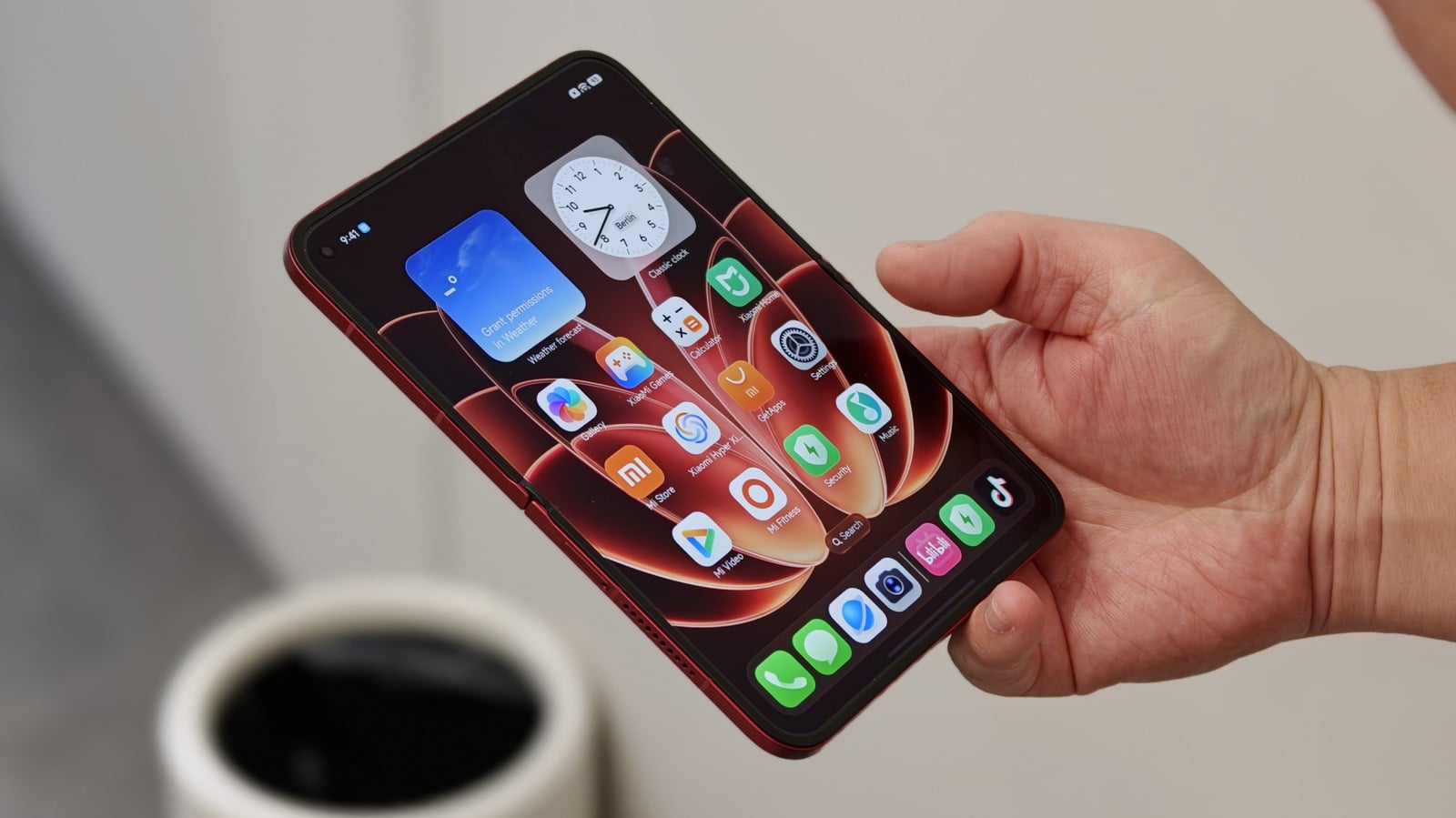
Most book-style foldables open into a shape that is close to square, which is fine for a map and awkward for almost everything else. Xiaomi copied a piece of paper instead. The Xiaomi 18 Fold opens to a 7.58-inch screen with the proportions of an A4 sheet, and closes onto a 5.38-inch cover screen with exactly the same proportions.
It weighs 219 grams, which makes it the lightest foldable Xiaomi has built, and it runs the XRing O3, the 3-nanometer processor Xiaomi designed in-house. The phone went official in China on September 7 and spent this week on the show floor at IFA in Berlin. It goes on sale September 10, one day after Apple's event.
Advertisement
Huawei’s Mate XT 2 Tri-Fold Lands Two Days Before Apple’s Foldable iPhone
Posted by Andru Edwards Categories: Smartphones, Design, Displays,
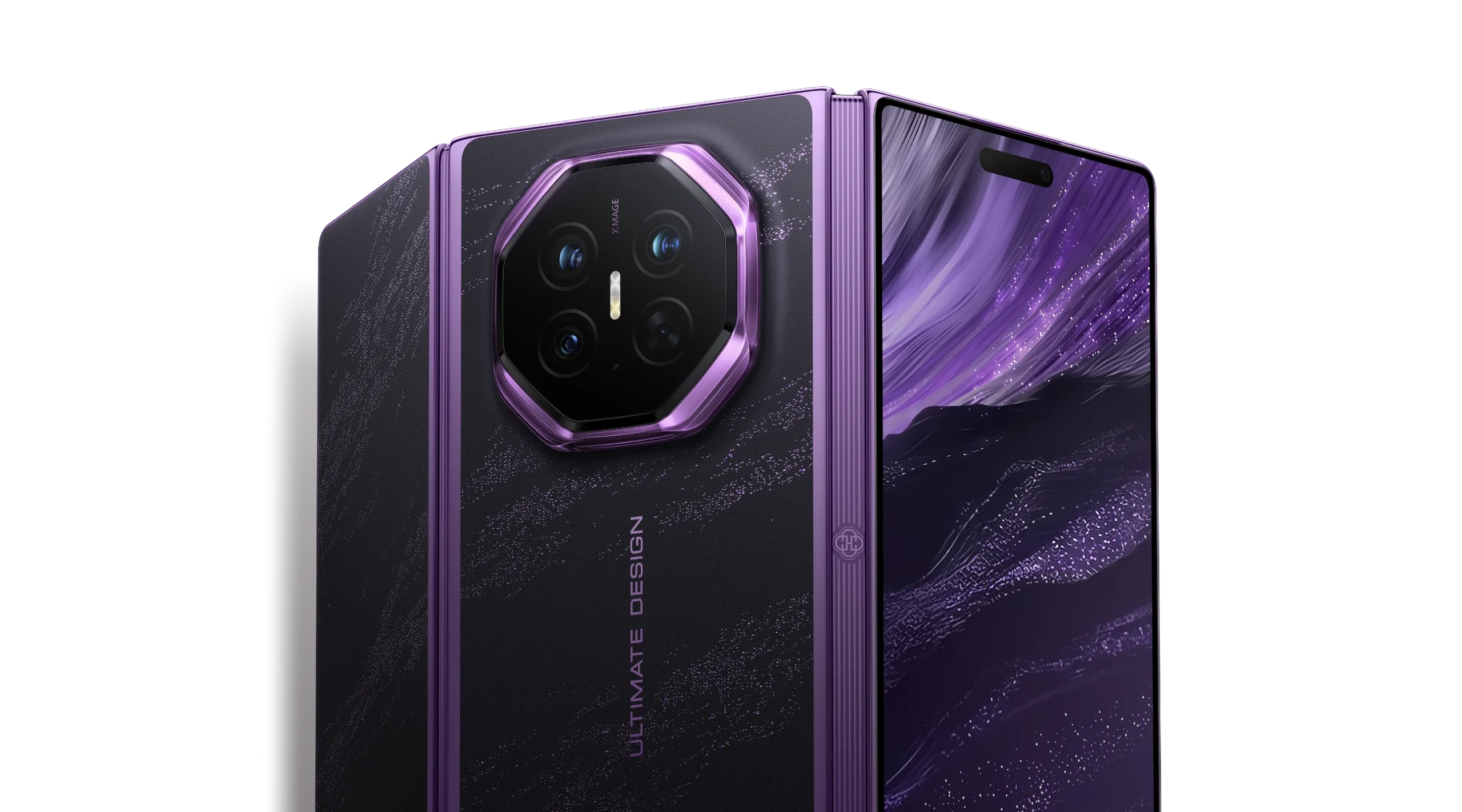
Apple's first foldable iPhone is expected on Wednesday. Huawei got out ahead of it on Monday with a phone that folds twice, and at the moment no other major manufacturer is selling one.
The Mate XT 2 Ultimate Design went official at Huawei's HarmonyOS 7 launch in China on September 7. It is the follow-up to the 2024 Mate XT, the first tri-fold phone anyone actually shipped, and it starts at 19,999 yuan. That is the same opening price the original carried two years ago.
Click to continue reading Huawei’s Mate XT 2 Tri-Fold Lands Two Days Before Apple’s Foldable iPhone
TCL Printed a 28-Inch Tri-Fold OLED Monitor That Folds Down to 16 Inches
Posted by Andru Edwards Categories: Displays, Peripherals,
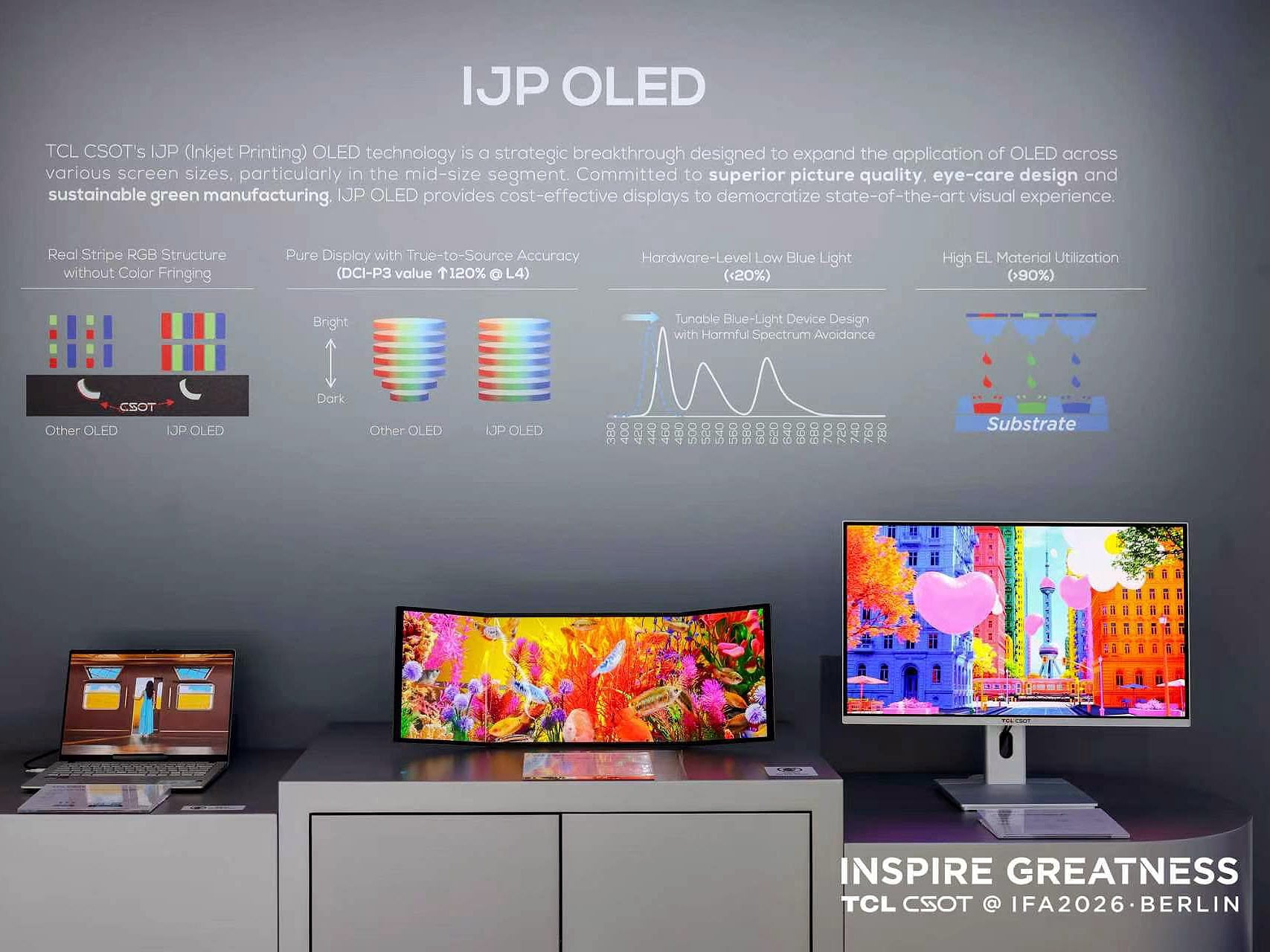
Portable monitors have a size problem. The ones big enough to be useful are a pain to carry, and the ones easy to carry are barely worth unpacking. TCL's display arm brought a possible way out to IFA 2026 in Berlin: a 28-inch ultrawide OLED panel that folds twice and shrinks down to roughly a 16-inch package.
You can't buy it. This is a prototype, and CSOT has been hauling it around the trade show circuit since MWC back in March, with no price and no release date attached. What makes it worth a second look is how the screen was made. Instead of the vacuum evaporation process behind nearly every OLED you own, an inkjet printer laid the glowing material down.
Click to continue reading TCL Printed a 28-Inch Tri-Fold OLED Monitor That Folds Down to 16 Inches
TCL P80 Ultra Puts NXTPAPER on an AMOLED Screen for the First Time
Posted by Andru Edwards Categories: Smartphones, Displays,
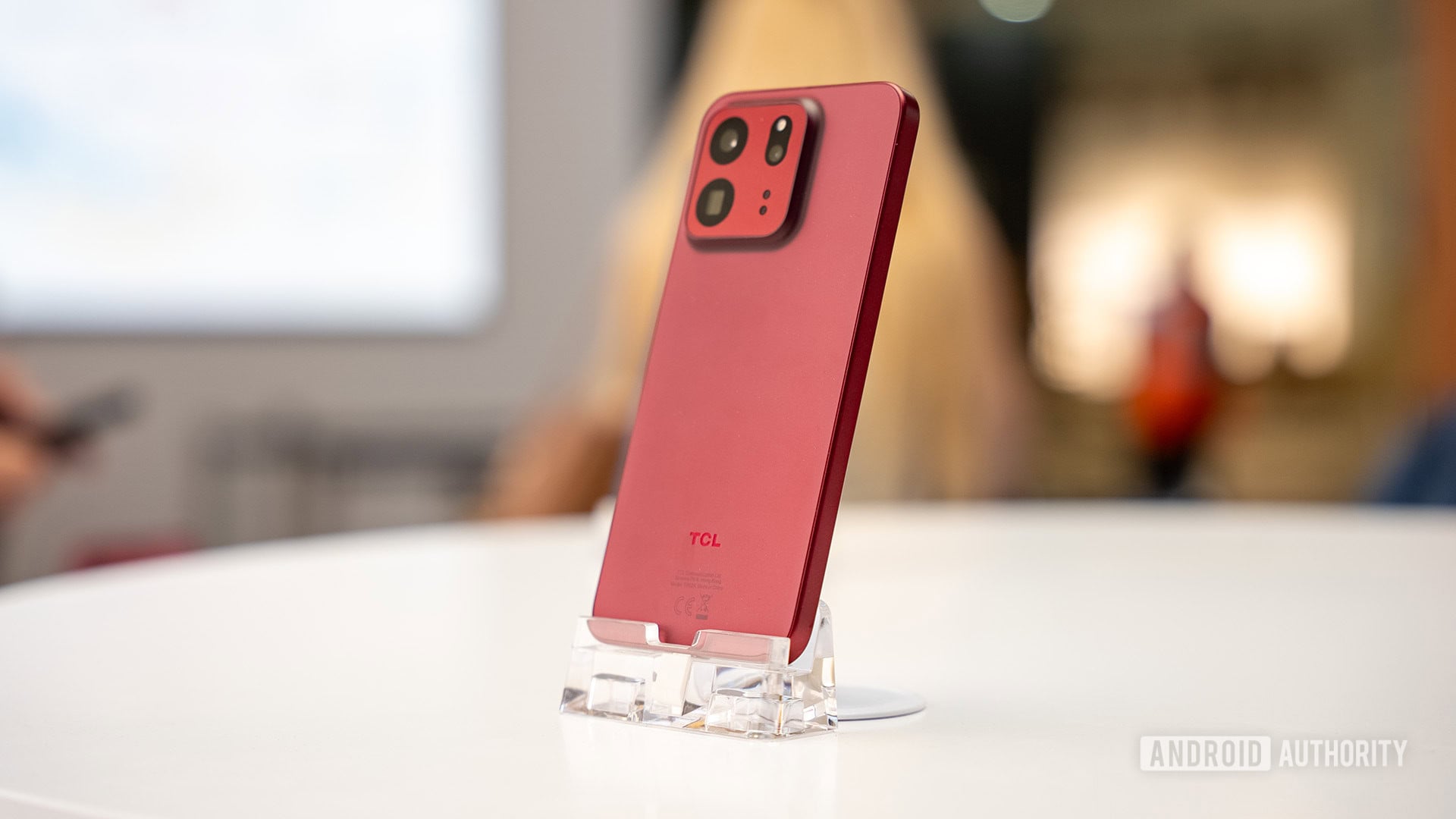
Take any phone outside on a sunny day and the screen turns into a mirror. TCL has been working on that problem for years with NXTPAPER, its matte, paper-like screen treatment, and the catch was always that you had to take it on an LCD. The new P80 Ultra and P80 Pro, both announced at IFA this week, are the first phones where you don't have to make that swap.
Both use a 6.83-inch 1.5K AMOLED running at 120Hz and peaking at 3,200 nits, with the NXTPAPER layer built into the panel. The Ultra starts at 549 euros for 8GB of RAM and 256GB of storage, or 599 euros for 512GB. The Pro is 429 euros. A third phone, the plain P80, comes in at 349 euros and skips the NXTPAPER treatment entirely. European sales started September 3, Latin America follows in October, and TCL says the US gets them later without saying when or for how much.
Click to continue reading TCL P80 Ultra Puts NXTPAPER on an AMOLED Screen for the First Time
XREAL’s Aura Glasses Showed Up at IFA With Everything But a Price
Posted by Andru Edwards Categories: Wearables, Displays, Google,

Every couple of years somebody straps a display to your face and tells you the laptop is finished. XREAL's Aura is the 2026 version of that pitch, and it turned up at ShowStoppers during IFA in Berlin this week running Google's Android XR. It still has no price and no ship date more specific than "fall."
What happened in Berlin was a demo. XREAL announced nothing at IFA. The glasses were shown as Project Aura alongside Google at I/O back in May, then got their real name, a full spec sheet, a content lineup and a reservation page at AWE in June. Berlin was one of the first big consumer shows where a general audience could put them on, which is worth something. The news itself is three months old.
Click to continue reading XREAL’s Aura Glasses Showed Up at IFA With Everything But a Price
JMGO’s Iris Ultra Max Wants to Be the Projector You Can Watch With the Lights On
Posted by Andru Edwards Categories: Displays, Home Entertainment,
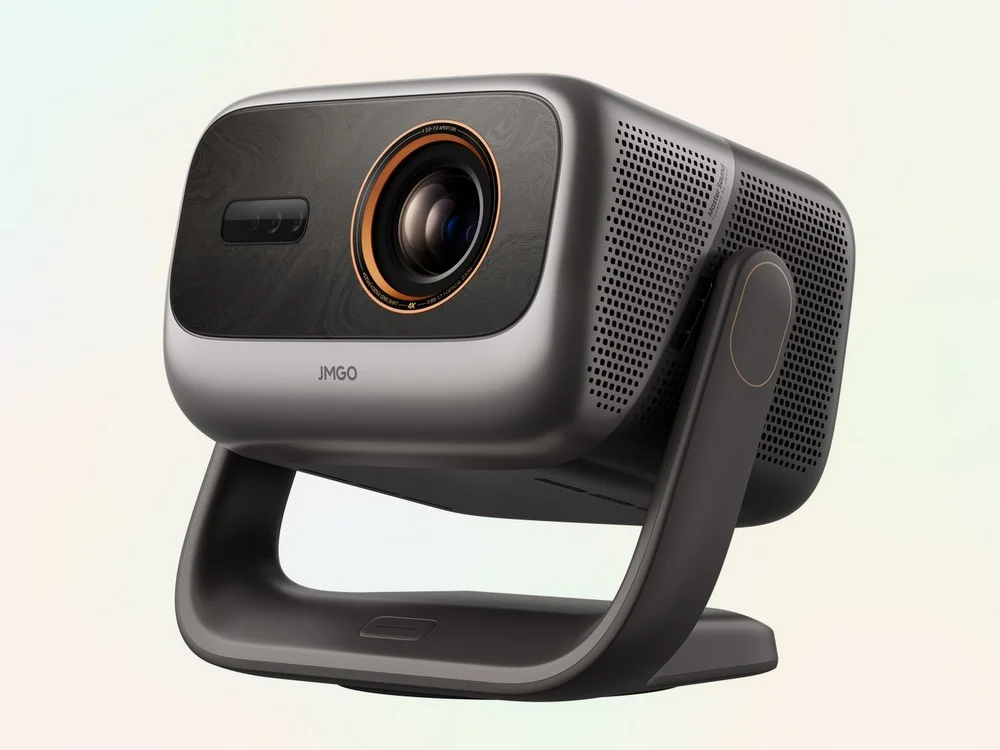
Most projectors end up in a closet for one reason: you have to turn your living room into a cave to use them. Draw the blackout curtains, wait for dark, tell everyone to quit opening the fridge because the light spills onto the wall. That friction is why a lot of people buy a projector, use it twice, and go back to the TV.
At IFA in Berlin, JMGO built its whole pitch around solving exactly that. The new Iris Ultra Max is a 4K projector that runs at 120Hz, uses a triple-laser light engine, and claims up to 6,500 ISO lumens. That last number is the company betting it can throw a picture bright enough to survive a room with the lights on. It is now heading to markets outside China, with preorders opening September 4 and units shipping October 19.
Dolby Vision 2 Is Real Now, and Hisense Owners Get It First
Posted by Andru Edwards Categories: Displays, HDTV, Home Entertainment,
This is the first time the next generation of Dolby's HDR format has landed on hardware people can actually buy. The firmware is going out to 2026 Hisense UX, UR9, UR8, and U7 sets (sold as U7 Pro in Europe, the Middle East, Africa, and Central and South America), on both Google TV and Hisense's own VIDAA platform.
Click to continue reading Dolby Vision 2 Is Real Now, and Hisense Owners Get It First
Alienware’s $800 AW3426DW Is a Gorgeous Ultrawide With One Big Catch
Posted by Andru Edwards Categories: Displays, Product Reviews, Video Games,

You know the moment when a game finally fills your whole field of view, the world stretching out past the edges of where a normal screen would stop, and you catch yourself just sitting there grinning? That is the feeling the Alienware AW3426DW is built to sell. At $800 for a 34-inch curved QD-OLED, it is Alienware's attempt to make that feeling affordable, and when everything lines up, it absolutely delivers.
The catch is that everything does not always line up. This is a stunning panel wrapped around a very specific idea of how you should be using it, and the moment you step outside that idea, the shine comes off fast. It is one of the best-looking monitors you can put on a desk for the money. It is also one that will happily leave a third of itself black if your game does not play along.
Click to continue reading Alienware’s $800 AW3426DW Is a Gorgeous Ultrawide With One Big Catch
Samsung Is Betting Titanium Can Finally Flatten the Galaxy Z Fold 8’s Crease
Posted by Andru Edwards Categories: Smartphones, Design, Displays,

Every foldable phone comes with an asterisk, and it sits right in the middle of the screen. The crease. That soft valley where the display bends has been the one thing keeping foldables from feeling like the future they keep promising to be, the little dip your thumb finds every time you scroll. Samsung has spent seven generations trying to make it go away. With the Galaxy Z Fold 8, the company says it finally has a real answer, and its name is titanium.
Ahead of its July 22 Unpacked event, Samsung revealed a new display technology it’s calling Flex Titanium, built to flatten the crease on the Z Fold 8 and the higher-end Z Fold 8 Ultra. Notice the careful wording, though: Samsung is promising “reduced crease visibility,” not a crease that’s gone for good. That gap between “better” and “invisible” is the whole story here, so it’s worth understanding what the titanium is actually doing inside the phone.
Beyond MiniLED: A First Look at the Hisense UR9 and Its Revolutionary RGB Picture
Posted by Andru Edwards Categories: Displays, Home Entertainment, Product Reviews,
Walk into almost any home in America and the furniture points at one thing. The couch, the chairs, and the layout all center around the TV. According to a recent poll, 85.3% of people say their TV setup is the focal point of their living space. With the FIFA World Cup heading to the US, being the host house comes with pressure. You need a screen that can handle the spotlight.
Enter the Hisense UR9. This is not just another big screen. It completely changes how a TV builds color. Let's look at why this matters and what makes this flagship display stand out.