

Wednesday September 23, 2026 8:54 pm
Muse Is Replacing Meta AI on Meta’s Glasses, and You Get to Name It

Posted by Andru Edwards Categories: Wearables, Artificial Intelligence
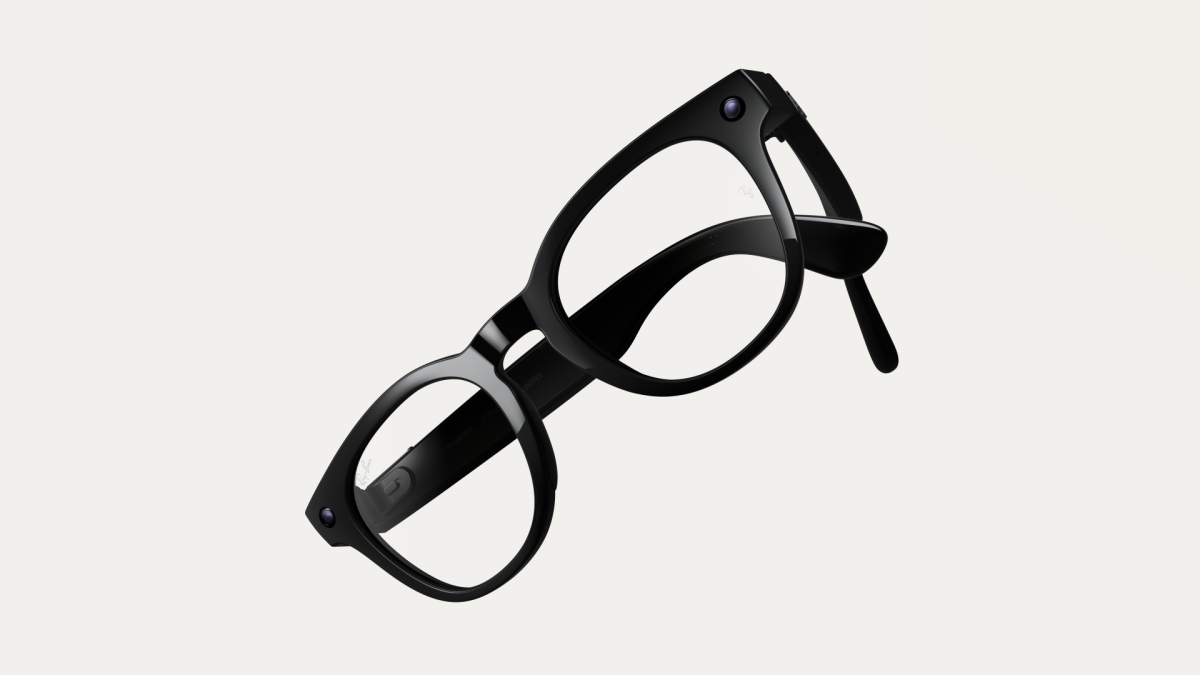
Talking to your glasses in public is awkward enough without starting every request with a corporation's name. At Meta Connect tonight, Meta said Muse, the personal AI agent it launched on September 8, is coming to its AI glasses and taking over from the built-in Meta AI assistant. You'll be able to give the assistant on your glasses your Muse's name and voice, which gives you an alternative to saying "Hey Meta."
Mark Zuckerberg showed it live. His Muse is a toga-wearing Roman named Agrippa, and Zuckerberg talked to it through a pair of Meta's glasses using Muse's new voice mode, reading off a long, complicated list of tasks. Agrippa gave the answer every good assistant gives before it goes off to do the work: "working on sending you options now."
The voice goes further than picking from a list. You can change your Muse's accent and how fast it talks, and you can describe what you want in plain words. The example onstage was "sound like a cowboy." A video during the keynote showed Muse on glasses working as a coach, building a custom training plan and giving real-time feedback as you follow it. Meta didn't explain where that feedback comes from, whether the glasses are watching you or you're telling Muse how it's going.
Zuckerberg framed all of this around a bigger claim, saying Meta has "shifted" its focus to make its devices ready for AI superintelligence. On the glasses, the practical change is that the assistant goes from answering questions to running errands. Muse is built to send email, book travel, negotiate a bill, and buy things for you.
What Meta didn't say
Meta didn't say which glasses get Muse first, when it arrives, or where. It currently sells four lines: Ray-Ban Meta, Oakley Meta, the Meta-branded Meta Glasses, and Meta Ray-Ban Display. Muse itself is US-only for now and, per Meta's launch post, "free for most of what people need," with subscription plans for heavier use. That same post only promised Muse was "coming soon to AI glasses." Android Authority reported today that reverse engineer Jane Manchun Wong found a beta setup screen reading "Enable Impacc as your glasses assistant?" (Impacc is Muse's internal codename), so at least some of the switch is already built.
Zuckerberg then moved to privacy. He talked about the recording light, Meta's work to stop people from tampering with it, and "private processing" for glasses, which he said would add security to certain features. Meta used that name last year for WhatsApp's AI features, which run requests inside a locked-down server environment that Meta says even it can't read. Meta didn't say which glasses features will use it or when. The recording light has needed the work. In August, Meta pushed an update that shuts the camera off if you cover the LED mid-recording, its second LED fix since July.
An agent with a wallet, on your face
The old assistant on your glasses could tell you what kind of plant you were looking at. The new one can send email for you and pay through Stripe's Link, Shop Pay, and PayPal, and Meta plans to take a small cut of what Muse buys. That agent now lives on a device with a camera and microphones that you wear on your face. Meta says Muse asks for your approval before it sends email or makes a purchase, and that it doesn't share your Muse conversations with Meta's ad systems. What Meta hasn't shown is how approval works on glasses without a screen, where saying "yes" is a lot easier than reading the order first.
The name and voice change is the easy win here. Calling your assistant whatever you want, in whatever voice you want, makes talking to your glasses a little less strange. Handing Agrippa your card is the bigger decision, and Meta still owes you the details: which glasses, when, and how you approve a purchase you can't see.