

Saturday September 19, 2026 7:22 am
SpaceX Plans to Retire Crew Dragon Eventually. NASA’s Backup Is Still Starliner.

Posted by Andru Edwards Categories: Corporate News, Science
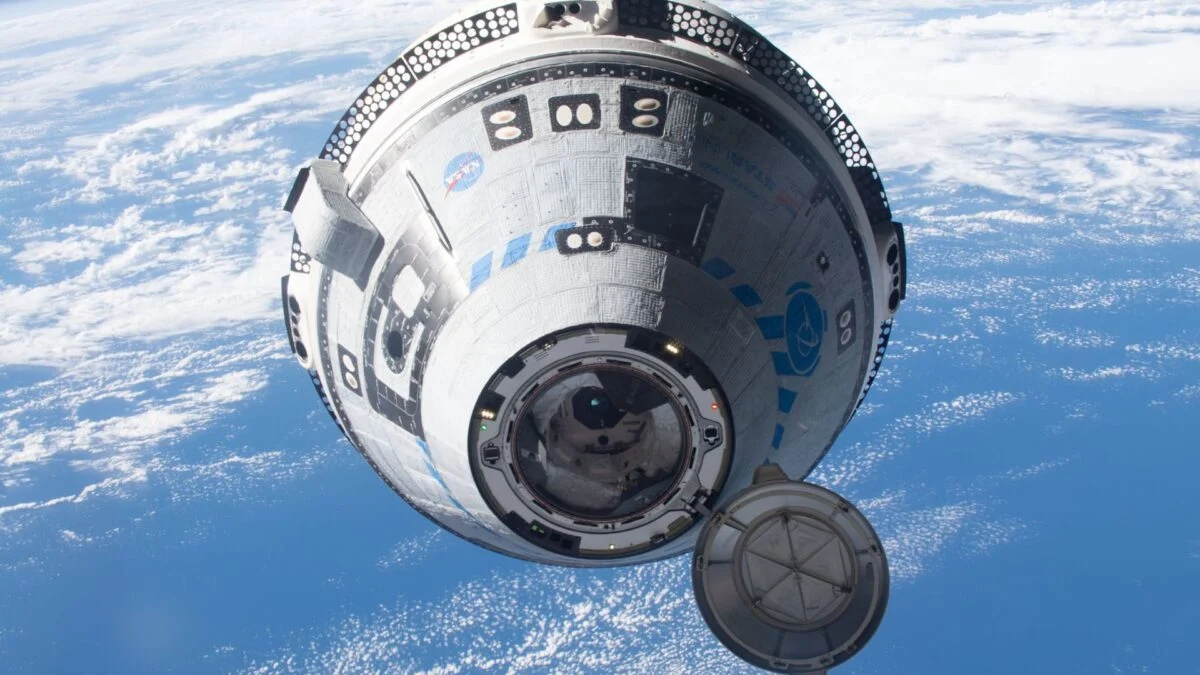
NASA paid for two rides to orbit so that one bad flight would never strand American astronauts on the ground. For most of the past two years it has had one. SpaceX president Gwynne Shotwell now says that one has an end date, even if she will not say when.
Talking on the All-In Podcast, Shotwell said SpaceX intends to wind Crew Dragon down and leave room for Boeing. "There is another provider, Boeing has been paid, I think, probably more than we have been paid to develop their human capsule," she said. "So we're just gonna let them have some business. They should fly their capsule." She went further: "The government paid a lot of money for that. They should be able to use it." She also said "We're not retiring it today, for sure," and she named no year.
A direction, not a schedule
"A few years" from the president of SpaceX tells you where the company is headed. It does not tell you when. The contracts point the other way for now. NASA awarded SpaceX a $946 million modification this week covering three more crewed flights to the International Space Station: Crew-15, Crew-16 and Crew-17. That takes SpaceX to 17 missions under its commercial crew contract, worth $5.92 billion in total, and keeps Crew Dragon flying through 2030. The retirement Shotwell is describing lands on the far side of that at the earliest.
The news with paperwork behind it
NASA plans to order two more crewed Starliner missions from Boeing, help fund repairs to the capsule's thruster problems, and support certifying Starliner to launch on a different rocket. The different rocket is not optional. Starliner was built around ULA's Atlas V, and Atlas V is ending: six vehicles are left and then the line is closed. ULA's Vulcan and Blue Origin's New Glenn are the candidates to take over.
The flight nobody has forgotten
Starliner's first crewed test launched in June 2024 and was supposed to last about eight days. Helium leaks and thruster failures turned that into nine months. Sunita Williams and Barry Wilmore stayed aboard the station while NASA worked out what to do, the capsule came home empty, and the two astronauts eventually flew back on a Crew Dragon. That capsule is now the other half of NASA's redundancy plan.
What has to happen first
Before Starliner carries anyone again, it has to fly Starliner-1 with nobody aboard. That flight was targeted for April 2026. NASA's current description of the date is that it remains under review. Clear that flight and Boeing gets certified for five more crewed missions. Until it flies, the two extra missions NASA says it wants to order are orders for a capsule that has never completed a crewed flight the way it was designed to.
Boeing's losses on the program passed $2 billion in 2025, and the contract is fixed-price, so the company eats them. Shotwell's line about the government having paid a lot of money is accurate. It is also a generous reading of a program whose one crewed test ended with its passengers hitching a ride home from the competition.
What this means if you do not track launch manifests
NASA wanted two working crew vehicles so it would never have to pick between grounding astronauts and flying something it was not sure about. It has one that works and one that still has to prove it. The president of the company that builds the working one says it goes away eventually. How much that should worry anyone comes down to a Boeing test flight with no launch date on it.