

Friday September 18, 2026 2:28 pm
Paris Opened a Criminal Probe Into Smart Glasses Filming, Five Days Before Meta Connect

Posted by Andru Edwards Categories: Cameras, Wearables, Editorial
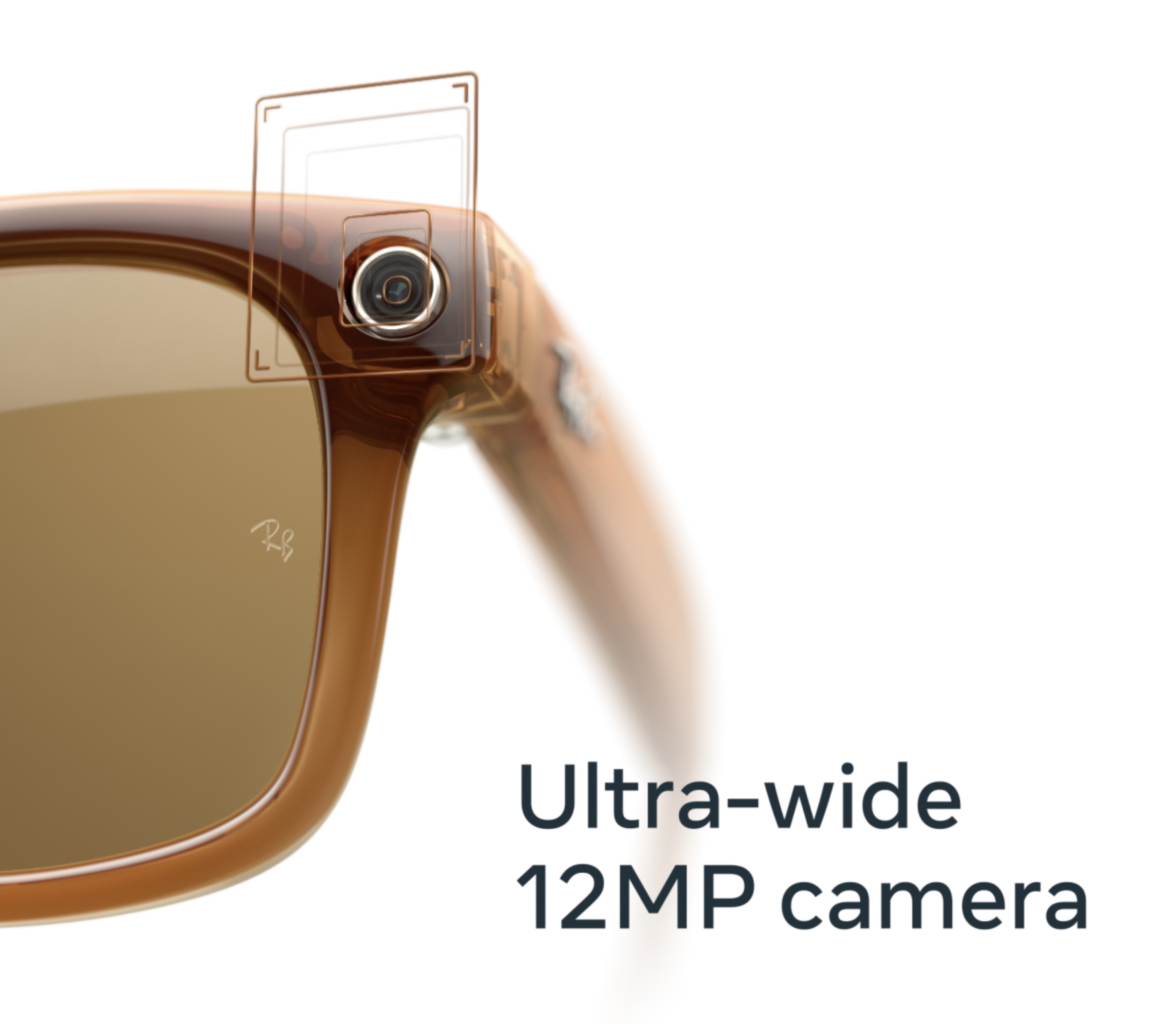
You can be filmed on a public street by a stranger in ordinary-looking sunglasses, end up on TikTok, and never know either thing happened. The Paris prosecutor's office says it has recently opened at least one criminal investigation following sexual harassment complaints involving smart glasses, after a run of videos in which men record women in public without their consent and post the footage for engagement.
Prosecutors told Reuters that their cybercrime unit tested a pair of the glasses about two weeks ago to work out what offenses the devices could be used to commit. They did not say whether Meta is a target of the investigation or whether the file covers only the unnamed people doing the filming. Meta has not been named as a suspect, and the office has not clarified the scope. Anyone telling you France is prosecuting Meta is ahead of the reporting.
What the complaints describe
e-Enfance, the French child protection association that runs the government-backed 3018 helpline, says it has taken around 20 reports since the start of 2026 from women who were filmed without knowing it. Most of those involved Meta's glasses. The clips follow a format. Someone approaches a stranger in public, records the encounter through the frames, engineers an awkward or humiliating moment, then publishes it as a prank or a street interview. TikTok is where most of them land, with spillover onto Instagram and X.
The law is messier than the number in the headlines
The figure quoted throughout the coverage is one year in prison and a 45,000 euro fine. That comes from Article 226-1 of the French penal code, and it covers recording someone's image without consent in a private place. A sidewalk is not a private place. Whether these street videos are criminal depends on context and on what happens to the footage afterward, which is why the Paris file is framed around sexual harassment rather than a straightforward recording offense. Nobody has been charged.
The light was never going to carry this
Meta's answer to covert recording has always been the capture LED. You point the camera at someone, the light comes on, and the person in front of you is supposed to notice it, know what it means, and object if they want to. Ines Legendre of e-Enfance put the objection plainly: "Seeing a light come on doesn't mean that you consent to being filmed, nor to have your image distributed to thousands of people afterwards."
The mechanical version of this problem is well documented, and Meta has been patching it for months. In July the company shipped an update that detects an LED someone has physically drilled out. In August it closed the tape trick, where you started a recording with the light exposed and then covered it while the camera kept rolling. Alex Himel, Meta's VP of wearables, said the camera will now stop working if the light is covered during a recording. We wrote about that fix when it landed. None of it answers what e-Enfance is arguing, which is that a working light is a weak form of consent to begin with.
Meta said it "built privacy into our AI glasses from the ground up" and that it will "keep strengthening our protections as our glasses become even more capable." EssilorLuxottica, which builds the glasses and owns Ray-Ban, declined to comment.
Other countries are already moving
France's data protection regulator is working the same issue from a different angle. The CNIL has received fewer than ten complaints about smart glasses in workplaces, which is not many, but it says businesses keep calling to ask how to ban the devices on their premises. Nacera Bekhat of the CNIL said the glasses raise real challenges around consent and around notifying people that they are being recorded.
A German consumer group has filed a criminal complaint against Meta and other companies selling the glasses there, citing privacy law. Some UK cinemas have banned them. On Thursday the Australian government said it is weighing a ban on camera-equipped smart glasses in government workplaces. Ines Girard of the Hubertine Auclert Centre, a French public body on women's rights, argues the burden here falls hardest on women, and that the industry should be designing the abuse out instead of asking the people being filmed to police it.
Five days before Connect
Meta Connect runs September 23 and 24, and the company has already teased new glasses. Ray-Ban Meta holds roughly 76 percent of the global smart glasses market, sold seven million units last year, and EssilorLuxottica has described its 2026 growth as exponential. Meta is about to put more cameras on more faces, in a country whose cybercrime investigators just spent an afternoon testing the current pair to see what it enables.
If the Paris file only ever reaches the people doing the filming, this is an enforcement story about a handful of creators. If it reaches the company that sold them the camera, it is a product story. Meta has a keynote on Wednesday.