

Tuesday October 6, 2026 7:37 am
The Department of War Will Pay Up to $75 Million to Turn an EV Battery Line Into Drone Cells. Only $22 Million Is Funded.

Posted by Andru Edwards Categories: Misc. Tech, Transportation
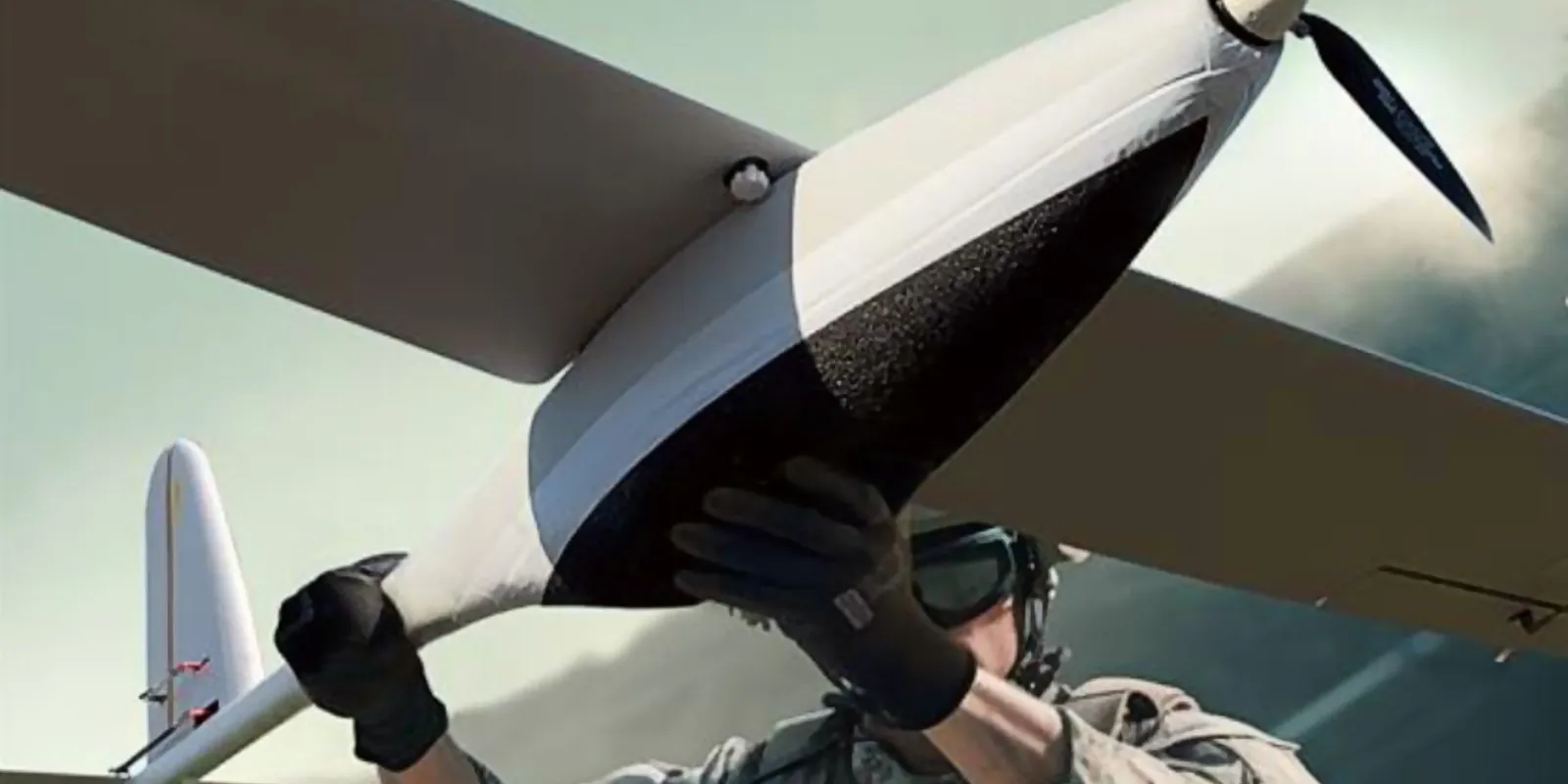
An American factory built to make batteries for electric cars is about to start making them for military drones instead. Amprius Technologies landed a grant of up to $75 million from the US Department of War to do it. Only about $22 million of that has actually been obligated.
Amprius makes silicon anode lithium-ion cells, the kind pitched for years at EVs and electric aviation because they pack more energy into less weight. On September 28 the company said it will retrofit an existing US production line, currently run by what it calls a major South Korean manufacturer, to build 12 million of its cells a year for small and midsize drones. The target is early 2028.
What the grant actually covers
The money comes through the Industrial Base Analysis and Sustainment program, or IBAS, which exists to shore up defense supply chains the Pentagon considers fragile. Amprius puts the whole project at roughly $100 million once in-kind investments are counted alongside the federal share. The agreement is an Other Transaction Agreement the company calls Project acCELLerate, signed September 23, with a base period running to September 22, 2028.
Amprius said in its own announcement that a majority of the award remains unfunded and subject to future appropriations, and that payments arrive only after it hits specified milestones and the government formally accepts the deliverables. Its SEC filing puts the obligated amount at about $22 million, drawn from fiscal 2025 research and development funding. The $75 million is a ceiling that Congress still has to fill in.
Why drone batteries, and why now
Group 1, 2, and 3 drones cover everything from a quadcopter you carry in a backpack to a tactical aircraft that needs a catapult or a runway. All of them live and die on energy density, because every gram of battery is a gram not spent on cameras, radios, or payload. Silicon anode cells hold more energy per unit of weight than the graphite cells that dominate the market, and in a drone that extra capacity turns into flight time.
The chemistry is only half the reason the Department of War is writing checks. Small drone cells come overwhelmingly from China, and the Pentagon has spent years trying to buy batteries it can still get if that relationship sours. That is what the NDAA compliance language in the announcement is about. CEO Tom Stepien said the grant is intended to establish a primary source of domestic, NDAA-compliant battery production.
What nobody has filled in yet
Amprius has not said where the line is, or named the South Korean company running it. Those gaps make the 2028 date hard to assess. A retrofit's cost and schedule depend on what the equipment was tuned for, and EV cells and drone pouch cells are not the same product in the same format.
There is also some recent history worth weighing. Amprius walked away from a planned $190 million factory in Brighton, Colorado in June 2025 and paid $20 million to get out of the lease, according to DroneXL. Converting a line someone else already built and already staffs is the cheaper, faster version of that plan.
Who should care
If you have been waiting for silicon anode cells to show up in a car you can actually buy, this buys the technology time. Defense customers pay a premium for weight savings and order in volume, which is how plenty of consumer hardware got its start.
The open questions are whether Congress appropriates the rest of the award, and whether a line built for car batteries can be converted to drone cells on schedule. Both answers land around 2028.