

Thursday September 3, 2026 1:17 pm
TP-Link’s Wi-Fi 8 Routers Arrive First. Do You Actually Need One Yet?

Posted by Andru Edwards Categories: Broadband, Wireless / WiFi
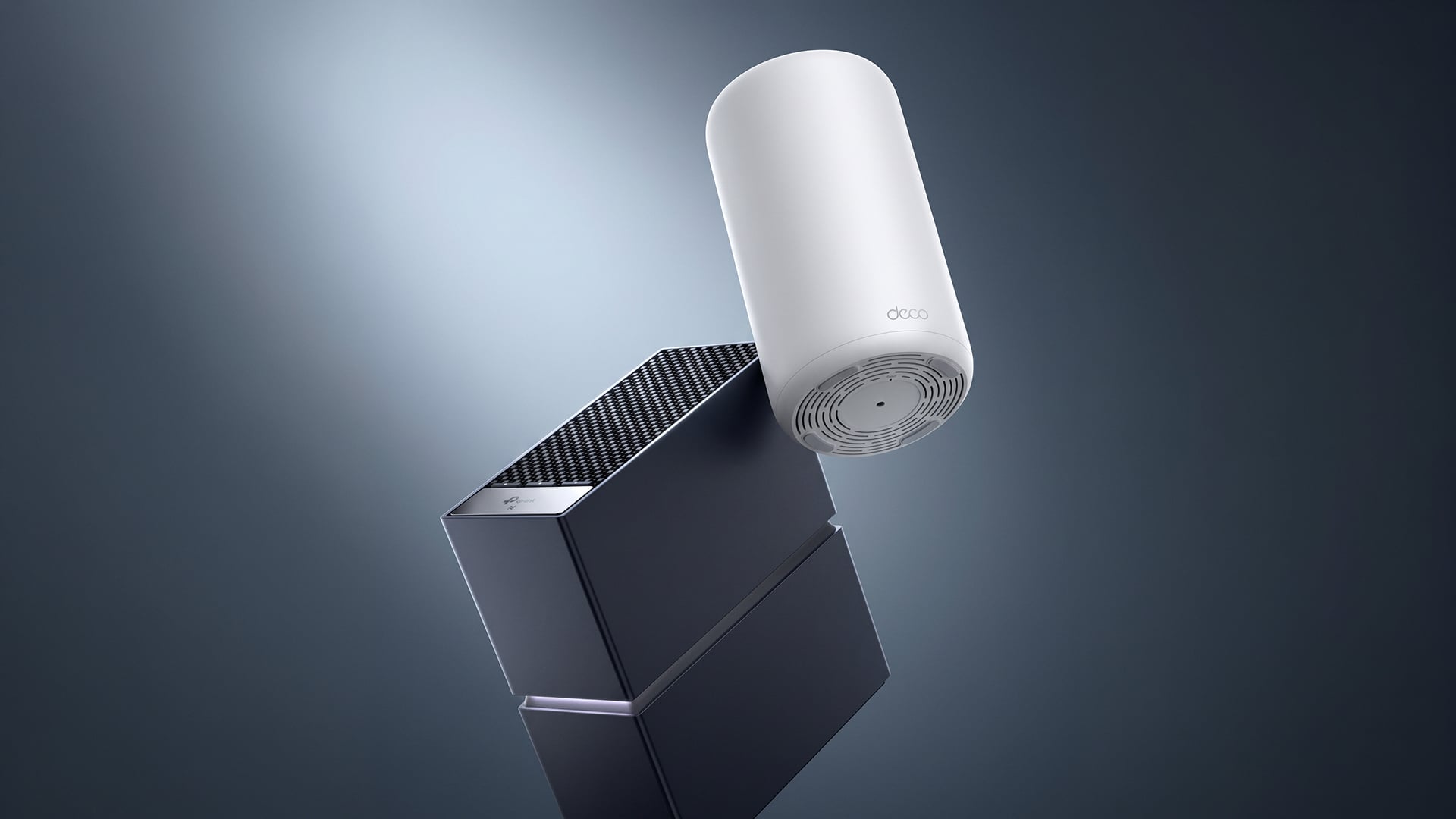
TP-Link showed up at IFA in Berlin with a router you can pre-order on September 30, and it wants you to know it got there first. The Archer 8 Ultra and the Deco 8 Ultra are among the first Wi-Fi 8 hardware anyone has put a real date on. The catch is worth sitting with. Wi-Fi 8 isn't finished, and the standard behind it isn't expected to be locked down until 2028.
So should you care yet? The honest answer starts with what Wi-Fi 8 actually is, and it is not a speed upgrade. Every previous jump trained you to expect a bigger number, so this one takes a second to sink in. There's no new spectrum, no wider channels, and the top speed sits about where Wi-Fi 7 already left it. What the engineers are chasing this time is reliability.
What Wi-Fi 8 is really for
The people writing the spec have a name for the goal: Ultra High Reliability. In plain terms, they want your connection to hold steady in the exact moments it usually falls apart. The far corner of the house. The evening when every device on the block wakes up at once and the airwaves get crowded. The laptop three rooms from the router that keeps dropping to one bar. Wi-Fi 8 aims at those edges, not at the speed-test screenshot you post to prove your plan is fast.
TP-Link is selling that idea under a brand name, StabilityEngine, which it says pulls together a handful of techniques to keep connections together when devices are far away, low on power, or fighting for the same air. If it works the way the pitch describes, you won't notice a faster download. You'll notice the video call that doesn't freeze when you walk to the kitchen.
What you actually get in the box
The Archer 8 Ultra is a tri-band router with 18 antennas tucked inside, rated for up to 19Gbps of combined wireless speed and 10Gbps over a wired connection. The Deco 8 Ultra is the mesh version, a three-pack that pushes up to 22Gbps wireless and the same 10Gbps wired, covering up to 9,800 square feet and more than 200 devices at once.
Those are numbers that sound like they belong in a small office, and that's closer to the truth than the marketing will admit. Twenty-two gigabits of wireless capacity spread across 200 devices is not a wall a normal household will ever hit. Most of us are trying to keep a few phones, a couple of laptops, a TV, and a pile of smart bulbs happy. That doesn't take 18 antennas.
The part the spec sheet won't tell you
Buying Wi-Fi 8 gear right now means buying into a standard that's still a draft. The final version isn't due until 2028, and certification through the Wi-Fi Alliance is expected around the same time. That's not the scandal it sounds like, since Wi-Fi 7 and Wi-Fi 6 both shipped early the same way. But it does mean part of what you're paying for is a promise of features that land later through firmware updates, on a router you bought years before the devices that can fully use it exist.
Then there's the other half of the problem. A router only helps as much as the things connecting to it, and right now almost nothing in your home speaks Wi-Fi 8. The phones, laptops, and tablets that do won't arrive in real numbers until next year at the earliest, and even then, slowly. A brand-new Wi-Fi 8 router in a house full of Wi-Fi 6 and Wi-Fi 7 gear is, for now, an excellent Wi-Fi 7 router with a promise stapled to the box.
So who is this for?
Not most people, and not yet. If your Wi-Fi works fine, nothing here is a reason to spend money you don't need to spend. Pricing hasn't even been announced, which tells you plenty about how ready this is for your cart.
The person it makes sense for is specific. Someone wiring or building a home now, who wants the router to be the last box they replace. Someone with a genuinely packed, device-heavy house where connections already buckle under the load. Someone who upgrades early on purpose and enjoys the tinkering. If that's you, the reliability story is the reason to look, not the speed number on the front of the box.
Wi-Fi 8's real goal, a connection that behaves when you're far from the router and everything is fighting for signal, is the most practical thing wireless has promised in a while. Being first, before the standard is done and before your devices can use it, is the gamble. TP-Link is happy to sell you the future on September 30. Your current router can probably wait.