

Tuesday October 6, 2026 2:31 pm
Nearly Every Surface Laptop Ultra Spec Just Leaked

Posted by Andru Edwards Categories: Microsoft, PC / Laptop, Rumors
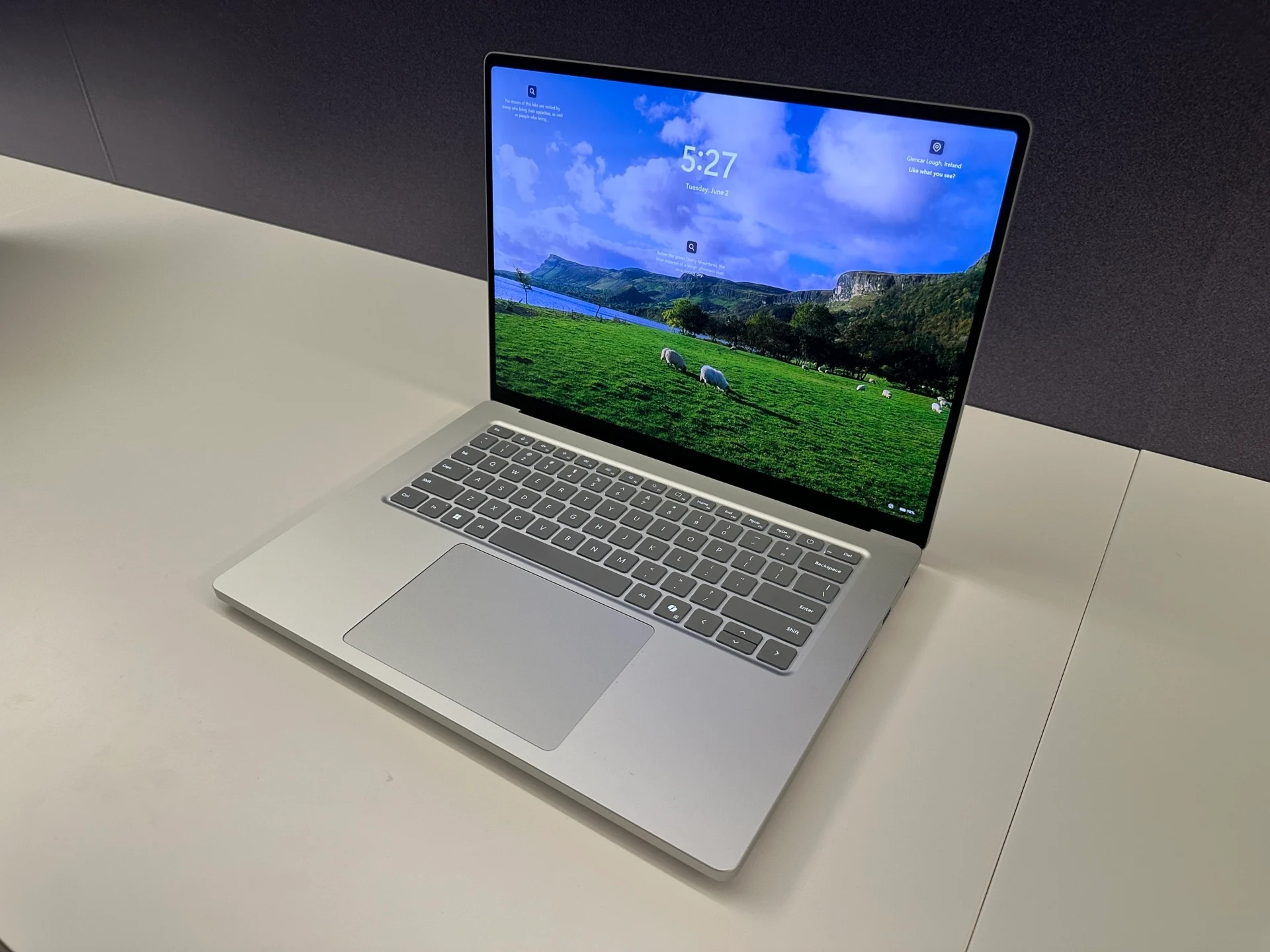
Microsoft goes on stage tomorrow for a laptop whose spec sheet is already sitting on the internet. Most of it, anyway. The one number that decides whether any of it matters, the price, is still missing.
Windows Central's Zac Bowden has published what he describes as nearly all the remaining details on the Surface Laptop Ultra, sourced from people familiar with Microsoft's plans. Every figure below comes from that reporting, not from Microsoft. What Microsoft has actually confirmed is the event: October 7, in San Francisco, livestreamed, with Windows, Surface and Nvidia's RTX Spark on the agenda. It has not put its name to a single core count, memory tier or brightness number.
What the reporting claims
Two chips, per Bowden's sources. An 18-core RTX Spark with 5,120 GPU cores, sold with 24GB or 32GB of unified memory and Windows 11 Home on the entry consumer config. Then a 20-core version with 6,144 GPU cores that scales to 128GB, with Pro on the higher tiers and Pro across the board on commercial models. The display is reported as a 15-inch mini-LED panel at 262 pixels per inch that peaks at 2,000 nits in HDR. The chassis comes in under 18mm and under 4.5 pounds, with a haptic trackpad roughly 30% larger than the one on the 15-inch Surface Laptop 8.
The number that changes what you can do with the machine is 128GB of unified memory. That pool is why Apple's Max-tier MacBook Pros became the default laptop for people who want to run large models on their own hardware instead of renting someone's API. Microsoft showed a 128GB Surface Laptop Ultra publicly back in June, so that part is on the record. How much memory the cheaper configs get, and what they cost, is not.
The AI pitch has a number attached to it
Bowden reports the pitch is local frontier-class models up to 120 billion parameters running on the laptop itself, agentic workflows in Windows 11, and controls that let you hand more of the unified memory pool to the GPU.
Running a 120-billion-parameter model locally has two real benefits: your data never leaves the machine, and you stop paying per token. Both are worth something. Neither tells you whether the model is any good, or whether it answers fast enough that you'd use it twice. Nobody outside Microsoft has tried this yet.
The battery claim is the one to test
According to the reporting, Microsoft's marketing leans hard on performance while unplugged, with a claimed 99.6% of performance on battery. That is aimed squarely at Apple. Holding full speed off the charger is the thing Apple silicon has won on since 2020, and the thing Windows laptops have mostly lost on. If an independent reviewer can reproduce that figure under sustained load, it reshapes the comparison with the M5 Max MacBook Pro. If it turns out to be a short burst measured under friendly conditions, it doesn't.
Microsoft has made this pitch before
"Surface is a real pro laptop" is not a new sentence from Microsoft. Windows on Arm carries a long record of app compatibility gaps, missing drivers and machines like the Surface Pro X that asked buyers to be patient. Nvidia's CEO has said RTX Spark chips will run every Windows app ever made, which nobody outside Nvidia has verified. Surface's repair and reliability history is also fair to bring up before anyone commits four figures to a first-generation flagship.
The genuinely interesting part is the silicon. An Nvidia SoC in a Surface flagship hasn't happened before, and it puts a GPU company's architecture at the center of Microsoft's premium laptop instead of Qualcomm's or Intel's.
The missing number
Price isn't in the leak. Bowden's sources put the entry 18-core config well above $2,000, which is a floor from an anonymous source rather than a figure from Microsoft, and no official pricing exists for any configuration. Who this laptop is for depends entirely on that gap. At the low end it competes with a loaded MacBook Pro. At the high end a 128GB config is a specialist tool, and Microsoft will have to say out loud which specialists it built it for.
Microsoft presents on October 7. That's when the specs get confirmed, and when the price shows up.