

Internet
Latest Andru Edwards Videos
This Meta Muse Invite Code Gives You 1 Billion Free Tokens (CC2P24)

Posted by Andru Edwards Categories: Hot Deals, Internet, Artificial Intelligence,

Meta launched Muse on September 8. It's the company's personal AI agent, and the pitch is that it does the task instead of telling you how to do it. Meta has now switched on invite codes, and mine gets you 1 billion free Muse tokens. I get the same, so read this as a referral post that also tells you what you're signing up for.
The steps, in order. Sign up at muse.ai/join or in the app. You need a Meta account, not a Facebook or Instagram login, and on the web you sign in with your phone number. Once you're in, open Settings and enter CC2P24 as your invite code. Do that within 48 hours of creating the account, because the window closes after that. When it goes through, you get 1 billion tokens and so do I.
Muse lives at muse.ai and in iOS and Android apps, with a WhatsApp option and support for Meta's AI glasses promised for later. You hand it a job (send this email, book that flight, fill out this form, turn this recipe into a shopping list) and it works in a browser on your behalf, keeps going after you close the app, and comes back when it needs your sign-off. It runs on Muse Spark, which Meta calls its most capable model to date, and it's US only for now.
Click to continue reading This Meta Muse Invite Code Gives You 1 Billion Free Tokens (CC2P24)
Advertisement
Meta’s Muse AI Agent Will Book the Flight and Haggle the Bill (Invite Codes!)
Posted by Andru Edwards Categories: Internet, Software, Artificial Intelligence,
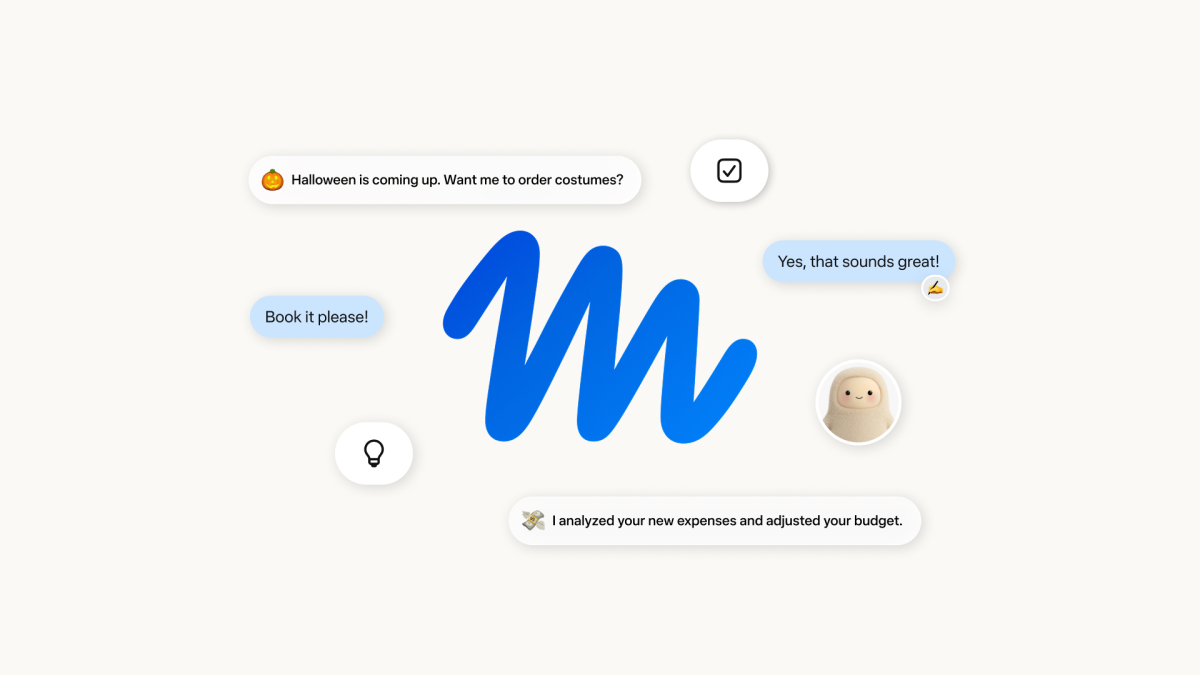
You know the part of a chatbot conversation where it hands you a tidy plan and then you go do all the work yourself? Meta's new Muse is built to skip that part. It's a personal AI agent, a separate product from the Meta AI app, and its pitch is that it goes and does the thing: sends the email, books the trip, fills out the form, negotiates the bill.
It launched September 8 in the US on iOS, Android. You can sign up at muse.ai/join or in the app. You need a Meta account, not a Facebook or Instagram login, and on the web you sign in with your phone number.
Once you're in, open Settings and enter CC2P24 as your invite code. Do that within 48 hours of creating the account, and you get 1 billion free tokens.
153 Million License Scans Are for Sale, and the Sellers Say They Still Have Access
Posted by Andru Edwards Categories: Internet, Misc. Tech,
The last time you handed your driver's license to a rental car counter, or a hotel front desk, or the guy working the door at a dispensary, somebody ran it through a scanner. You probably never learned the name of the company behind that scanner. You never signed up with them, either.
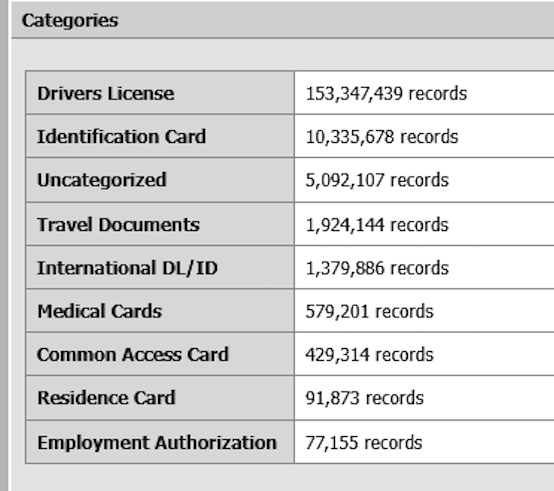
A dark web store called Nexus is selling those scans. Its catalog claims 153 million driver's licenses covering people in the United States and Canada. Brian Krebs broke the story Wednesday at Krebs on Security, and he verified it against himself. He found a record holding six image files of his own license, timestamped to a trip he took in June 2025. Other people he reached out to found their own records too.
Amazon Is Killing Mechanical Turk, the Human Engine That Helped Train AI
Posted by Andru Edwards Categories: Corporate News, Internet, Artificial Intelligence,

Amazon told workers and customers this week that Mechanical Turk shuts down on September 30, ending a 21-year run for the marketplace that did the grunt work behind the machine learning era. Jeff Bezos once described it as artificial artificial intelligence, a joke about humans pretending to be machines. The actual machines made the joke obsolete.
If you never used it, MTurk paid people a few cents at a time to do small tasks a computer couldn't: labeling images, transcribing audio, filling out surveys, moderating content. More than 500,000 people passed through it. A lot of the training data underneath the AI you use every day started as somebody clicking through those tasks for pennies.
Click to continue reading Amazon Is Killing Mechanical Turk, the Human Engine That Helped Train AI
Instagram and Facebook Are About to Lock Teens Out at Midnight
Posted by Andru Edwards Categories: Corporate News, Internet,

A 15-year-old in most of the United States will soon get two hours a day on Instagram and Facebook, and then the apps stop. At midnight they lock until 6 a.m. During school hours, notifications go quiet. And the teen can't switch any of it off without a parent signing off first.
That's the product side of the settlement Meta announced Wednesday with a bipartisan coalition of state attorneys general, ending a federal trial in Oakland over claims that Facebook and Instagram were designed to keep kids hooked. The payment runs to roughly $16.7 billion. The defaults are what will change how the apps feel.
Click to continue reading Instagram and Facebook Are About to Lock Teens Out at Midnight
AliExpress Was Playing Silent Audio in Your Browser to Track You
Posted by Andru Edwards Categories: Internet, Misc. Tech,
A developer noticed his Bluetooth headphones wouldn't hand off from his laptop to his phone. He closed a browser tab and the problem vanished. The tab was AliExpress. What he found digging through the site's code is one of the more inventive tracking techniques to surface in a while: silent audio, played at zero volume, running purely to identify his machine.
It's called audio fingerprinting, and it doesn't need a single cookie to work.
Click to continue reading AliExpress Was Playing Silent Audio in Your Browser to Track You
Airtable Was Worth $11 Billion. It Just Sold to Bending Spoons for $1.28 Billion.
Posted by Andru Edwards Categories: Corporate News, Internet, Software,

If you use Airtable to run something, a small production schedule, a client tracker, the spreadsheet that got out of hand, today's news deserves your attention for one reason: Bending Spoons is buying it. The Italian company agreed Tuesday to acquire Airtable in an all-cash deal valuing it at $1.285 billion in enterprise value, or roughly $2.25 billion counting Airtable's cash.
That's a fine outcome by most measures and a brutal one by the measure that matters to Airtable's investors. In 2021 the company was valued at over $11 billion. Earlier this year its shares were reportedly changing hands on secondary markets around $4 billion. Airtable raised more than $1.4 billion over its life. The math does not work out the way anyone hoped.
Chatbots in Europe Now Have to Tell You They’re Chatbots
Posted by Andru Edwards Categories: Editorial, Internet, Artificial Intelligence,
You know that customer service chat where you spend four minutes being pleasant to something before realizing it was never a person? In the European Union, that's now against the law. As of August 2nd, the transparency obligations in the EU's AI Act are live and being enforced, and the headline requirement is refreshingly blunt: if you're talking to a machine, the machine has to say so.
The rules cover three things. Chatbots and other interactive AI systems must disclose that a user is dealing with AI rather than a human. Deepfakes, meaning AI-generated or AI-edited images, video, and audio, must be labeled. And AI-generated or altered content has to carry machine-readable marks so platforms and researchers can detect it downstream.
Click to continue reading Chatbots in Europe Now Have to Tell You They’re Chatbots
Google Search Wants to Finish the Job: AI Mode Now Talks to Instacart, Canva, and YouTube Music
Posted by Andru Edwards Categories: Google, Internet, Artificial Intelligence,

For as long as any of us have used it, Google Search has been the place you go to figure out what to do next. Where to eat, what to buy, how to fix the thing under the sink. Google now wants it to be the place you actually do those things. This week it started rolling out new connections in AI Mode that wire Search directly into Instacart, Canva, and YouTube Music, so the answer and the action finally live in the same window.
The pitch, in Google's own words, is to "reduce the steps between planning a task in Search and completing it in another app." In practice that means you can plan a backyard barbecue in AI Mode, watch it turn the menu into a grocery list, and push those ingredients straight into an Instacart cart without opening a single new tab. It is a small convenience with a big ambition behind it, and it tells you a lot about where Google thinks Search is headed.
Coca-Cola Stopped Making Fairlife Milk in the U.S. After a Cyberattack Hit the Factory Floor
Posted by Andru Edwards Categories: Corporate News, Internet,

You probably don't think about milk as a cybersecurity target. A carton of ultra-filtered protein milk sitting in the fridge feels about as far from ransomware and dark-web extortion as a product can get. And yet here we are: Coca-Cola has stopped making Fairlife in the United States, and the reason is a cyberattack.
The company disclosed on July 16 that it detected unauthorized access to the systems behind Fairlife, its popular line of ultra-filtered milk and protein shakes. The intrusion reached production-related infrastructure, so Coca-Cola did the only thing you can really do in that situation: it hit pause. U.S. Fairlife facilities have temporarily suspended production while the company figures out exactly what happened.