

Tuesday September 8, 2026 1:12 pm
Audi’s A2 e-tron Starts at €38,200 With Up to 646 km of WLTP Range

Posted by Andru Edwards Categories: Design, Transportation
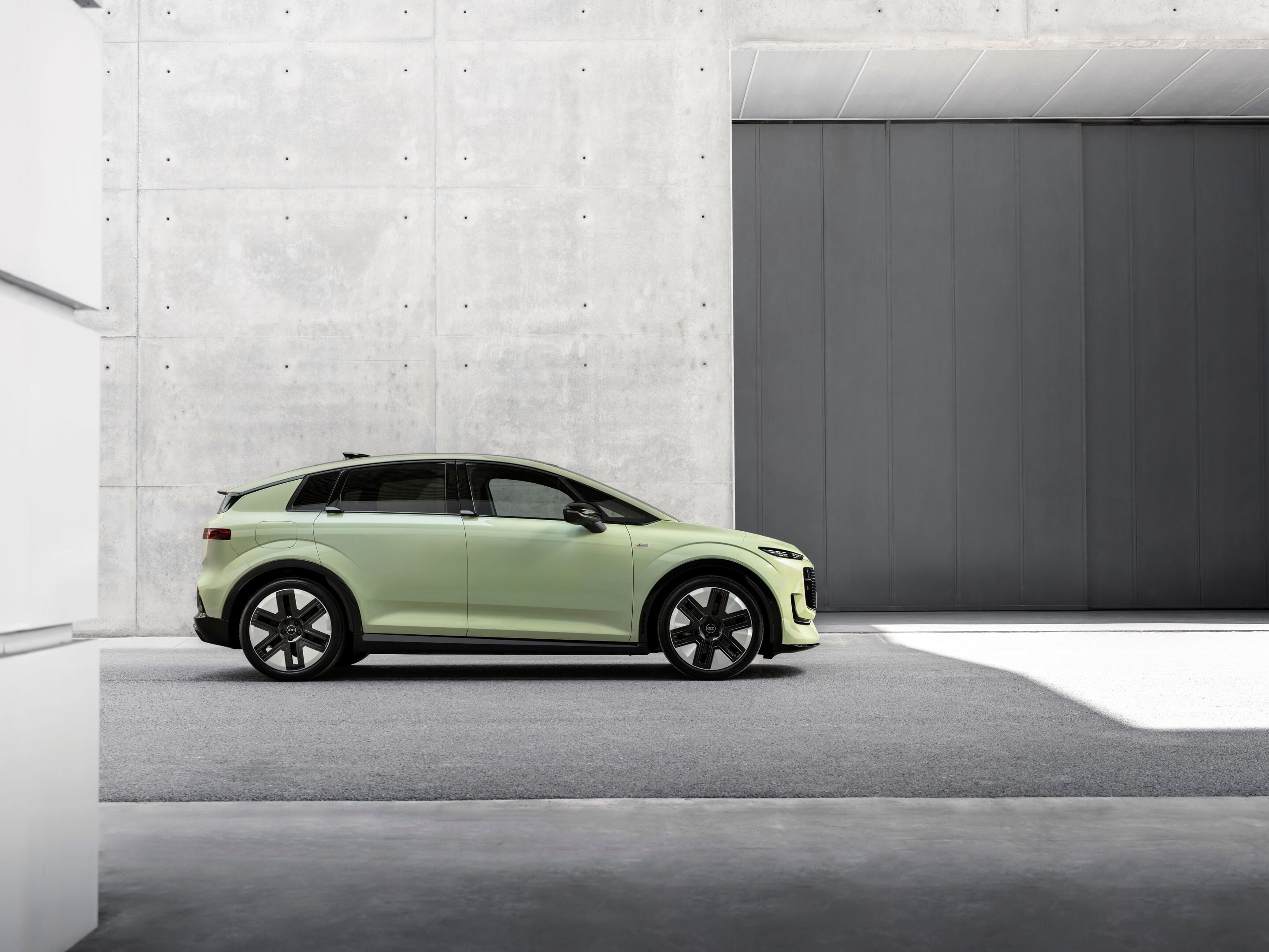
Audi has spent the last few years selling big, heavy, expensive electric cars. The A2 e-tron is the correction. It's a compact hatchback about the size of a Volkswagen ID.3, it starts at €38,200 in Germany, and its best trick is how little electricity it uses. The efficiency champ of the lineup needs 12.8 kWh to cover 100 km on the WLTP cycle, which Audi says makes it the most efficient production car the company has ever built.
Pricing went public this week, and it splits into four versions, all built in Ingolstadt. The 125 kW car with a 52 kWh LFP pack is €38,200. The 140 kW car with 61 kWh of LFP is €41,900. Step up to the 84 kWh NMC pack and you pay €48,900 for 170 kW or €51,200 for 240 kW. Order books open September 10, with first deliveries in December.
The 646 km number needs an asterisk
The 170 kW version is the range leader at up to 646 km, roughly 401 miles. Before you start replanning your road trips around that, look at which test produced it. WLTP is the European cycle, and it's friendlier than the EPA procedure used in the US. European cars regularly give back a chunk of their rated range once they're measured on the American cycle, so 646 km WLTP would show up as a noticeably smaller number on a US window sticker.
There is no US window sticker, though. Audi hasn't confirmed an American launch for the A2 e-tron, the car is built in Germany for European buyers, and nothing in this announcement hints otherwise. The €38,200 base price works out to somewhere around $45,000 at current exchange rates, but that's currency math, not a price you can pay. Nobody in the States can order one.
Charging is quick enough
The 84 kWh cars peak at 183 kW and go from 10 to 80 percent in 29 minutes. The 52 kWh version tops out at 100 kW and covers the same stretch in 24 minutes, which is the quiet advantage of a small battery, since there's less of it to fill. Neither number wins a spec-sheet fight. Neither one ruins your afternoon either. You plug in, you get a coffee, you leave.
Bidirectional charging is in the mix too. Vehicle-to-Load turns the car into a power outlet for a laptop, a projector, or a circular saw. Vehicle-to-Home lets it push electricity back into a house, though that half needs a compatible DC wall box, and Audi is only offering it in Germany, Austria and Switzerland at launch.
The shape is doing the heavy lifting
That 12.8 kWh/100 km figure comes largely from a 0.24 drag coefficient, which Audi says is the slickest body in its compact lineup. Aerodynamics is the cheapest efficiency a carmaker can buy. No extra cells, no extra weight, no extra cost per car, just a roofline the designers weren't allowed to make taller. It's also why the 140 kW model wears the efficiency crown instead of the two cars with bigger batteries and more power.
The practical parts
The wheelbase is 2.77 m, which is generous for a car this size and is where the back seat space comes from. The trunk holds 396 litres, or 1,336 litres with the rear seats folded, so a big dog crate or a flat-pack bookcase is a reasonable ask. The optional panoramic glass roof covers 1.6 square metres, which is either the best box on the options list or a sun-baked mistake, depending on where you live.
Who this is actually for
If you live in Europe, you drive a compact hatchback, and you've been waiting for an electric one that doesn't force you to buy a giant battery you'll rarely use, Audi built this for you specifically. The €41,900 140 kW car reads like the sensible pick, with the efficiency figure, a 61 kWh pack that covers real driving, and a price that stays out of midsize-SUV territory.
If you live in the US, it's a car to keep an eye on rather than plan around. Orders open September 10 and the first deliveries land in December, in Germany.