

Gear Live Comic Book News: Articles Tagged Mort Walker
Latest Andru Edwards Videos
Al Jaffee: Tall Tales, MAD Magazine & Mocca

Posted by Tom Mason Categories: Editorials,
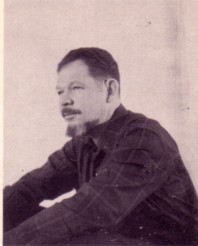 “Is this a blog post about Al Jaffee?”
“No, it’s about Harvey Kurtzman. I just can’t spell.”
Al Jaffee, the creator of the classic Fold-In for MAD Magazine, as well as “Snappy Answers To Stupid Questions,” has a style that’s all his own. Goofy, buoyant and bouncy, you can enjoy his work even before you get to the gag.
From 1957-1963, he had a syndicated comic strip called Tall Tales that’s one of those classic strips that’s recently been rediscovered and thank goodness for that. Jaffee, a Reuben Award winner, is also getting his own exhibit at Mocca, the Museum of Comic and Cartoon Art, in New York City. Titled “Is This The Al Jaffee Art Exhibit?” the show will debut later this fall.
Continuing my series on cartooning and cartoonists, Jaffee wrote about himself and his work back in 1964. This is pulled from an oversized saddle-stitched magazine from Allied Publications with the creatively-challenged title These Top Cartoonists Tell How They Create America’s Favorite Comics. It featured an introduction by Beetle Bailey’s Mort Walker and was compiled by Allen Willette.
Here’s Al on Jaffee and Tall Tales:
Click to continue reading Al Jaffee: Tall Tales, MAD Magazine & Mocca
Advertisement
Roy Crane, Wash Tubbs, Captain Easy and Buz Sawyer
Posted by Tom Mason Categories: Editorials, Interviews, Independent,
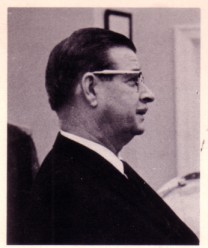 It’s easy to toss around the word “genius,” especially when it comes to comics. We all have our favorites and we all like to think ours are the great ones. But one look at Roy Crane’s work and anyone can see that he definitely was worthy of the “genius” tag.
Crane created two great adventure classics, Wash Tubbs (which later became Captain Easy) and Buz Sawyer, with Wash being called the first true newspaper adventure strip. He’s been dead for 30 plus years, but looking through his strip work, you can see his influence in comics from Milton Caniff to Alex Toth to Howard Chaykin. Even the modern strip, Rip Haywire by Dan Thompson shows a Crane influence as does Randy Reynaldo’s Rob Hanes.
And in a classic Comics Journal interview, Art Spiegelman calls Crane an influence on Jack Kirby.
Continuing my series on cartooning and cartoonists, Roy Crane wrote about himself and his work back in 1964. This is pulled from an oversized saddle-stitched magazine from Allied Publications with the creatively-challenged title These Top Cartoonists Tell How They Create America’s Favorite Comics. It featured an introduction by Beetle Bailey’s Mort Walker and was compiled by Allen Willette.
Here’s Crane on Crane:
Click to continue reading Roy Crane, Wash Tubbs, Captain Easy and Buz Sawyer
Gus Arriola and Gordo
Posted by Tom Mason Categories: Editorials,
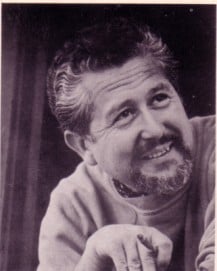 I never got to read Gordo when it was syndicated - it never ran in any papers in my area when I was a kid. It was always a strip that I read about, instead of actually reading. That changed as I got older and got to read longer runs of of it. It deserves all the praise it gets for its gentle humor and its brilliant design. You can read comics on the iPhone all day long, but it’s one panel at a time. To appreciate the craftsmanship of a Gordo strip, you need to take in the whole thing. The guy was just great, and he deserved a much wider audience and he deserves to be read and experienced still today. With comics in this Golden Age period of archival reprint heaven - c’mon, even Gasoline Alley is getting collected - Gordo should be right there with everyone else. (I’m looking at you, Dean Mullaney)!
Continuing my series on cartooning and cartoonists, Gus wrote about himself and his work back in 1964. This is pulled from an oversized saddle-stitched magazine from Allied Publications with the creatively-challenged title These Top Cartoonists Tell How They Create America’s Favorite Comics. It featured an introduction by Beetle Bailey’s Mort Walker and was compiled by Allen Willette.
Here’s Gus on Gus and Gordo:
Click to continue reading Gus Arriola and Gordo
Robert G. Baldwin: Rupe and Freddy
Posted by Tom Mason Categories: Editorials,
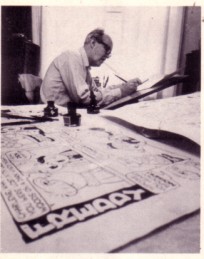 Freddy is another one of those “forgotten” comic strips that ran for quite a long time, 1956-1980 and then disappeared. If you don’t know to look for it, you might never find it.
Continuing my series on cartooning and cartoonists, Rupe wrote about himself and his work back in 1964. This is pulled from an oversized saddle-stitched magazine from Allied Publications with the creatively-challenged title These Top Cartoonists Tell How They Create America’s Favorite Comics. It featured an introduction by Beetle Bailey’s Mort Walker and was compiled by Allen Willette.
Here’s Rupe on Rupe and Freddy: “Although I sign my work ‘Rupe,’ my real name is Robert G. Baldwin, and I was born in Washington, DC. I’m fifty years old, and I have five children, ages 11 to 22. Four boys and one girl. Frequently the family gathers around my finished work for discussion and, I hope, for a good laugh.
Click to continue reading Robert G. Baldwin: Rupe and Freddy
Jules Feiffer and Danny Fingeroth
Posted by Tom Mason Categories: Editorials,
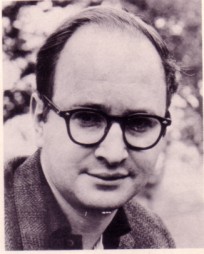 I met Jules Feiffer once at a party some years ago. He seemed uncomfortable (long before meeting me, thank goodness), but friendly and talkative, if that makes any sense. I can’t say we really had a conversation or that he’d remember I was even there - the best I could do was to mumble out that I was a big fan. I read his work in The Village Voice for a number of years when I used to commute into Manhattan, his book The Great Comic Book Heroes was one of my early Rosetta Stones for comics and I’ve probably seen his animated short Munro as many times as I’ve seen What’s Opera, Doc?
Continuing my series on cartooning and cartoonists, Jules Feiffer wrote about himself and his work back in 1964. This is pulled from an oversized saddle-stitched magazine from Allied Publications with the creatively-challenged title These Top Cartoonists Tell How They Create America’s Favorite Comics. It featured an introduction by Beetle Bailey’s Mort Walker and was compiled by Allen Willette.
Here’s Feiffer on Feiffer:
Click to continue reading Jules Feiffer and Danny Fingeroth
Hal Foster and Prince Valiant
Posted by Tom Mason Categories: Editorials,
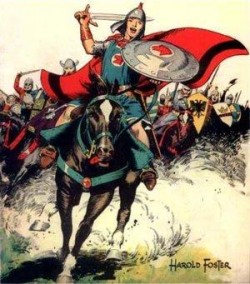 I get tired of hearing about Mozart. Yeah, he’s a genius and he started composing music when he was 5-years-old. I get it, fine, blah, blah, blah. You know who else is brilliant? Harold “Hal” Foster, the critically-acclaimed creator-writer-artist on Prince Valiant. He created his most famous and enduring work when he was 45-years-old. Malcolm Gladwell, take note.
Continuing my series on cartooning and cartoonists, Hal Foster wrote about himself and his work back in 1964. This is pulled from an oversized saddle-stitched magazine from Allied Publications with the creatively-challenged title These Top Cartoonists Tell How They Create America’s Favorite Comics. It featured an introduction by Beetle Bailey’s Mort Walker and was compiled by Allen Willette.
Here’s Foster on Foster:
Click to continue reading Hal Foster and Prince Valiant
Buford Tune and Dotty Dripple
Posted by Tom Mason Categories: Editorials,
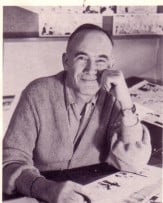 Buford Tune appears to be one of the forgotten cartoonists of the mid-20th Century, even though he had a comic strip that ran for nearly 30 years. I’d never heard of him or his strip which made this article about him all the more fascinating.
Continuing my series on cartooning and cartoonists, Tune sang about his own work back in 1964. This is pulled from an oversized saddle-stitched magazine from Allied Publications with the creatively-challenged title These Top Cartoonists Tell How They Create America’s Favorite Comics. It featured an introduction by Beetle Bailey’s Mort Walker and was compiled by Allen Willette.
Now, here’s Tune on key:
Click to continue reading Buford Tune and Dotty Dripple
Mell Lazarus and Miss Peach
Posted by Tom Mason Categories: Editorials,
 Someone should biographize Mell Lazarus, who is still alive and—coming up on 83—still working. For a long time, he had two daily nationally syndicated comic strips, Miss Peach and Momma. He wrote a humorous novel based on his experience working for Al Capp (creator of Li’l Abner), he worked for Al Capp and was an active presence in the New York cartoon scene. Oh the stories he could probably tell. I hope he’s secretly putting them all in a book.
Continuing my series on cartooning and cartoonists, this Lazarus piece is pulled from a 1964 oversized saddle-stitched magazine from Allied Publications with the creatively-challenged title These Top Cartoonists Tell How They Create America’s Favorite Comics. It featured an introduction by Beetle Bailey’s Mort Walker and was compiled by Allen Willette.
Here’s Mell talking about how he does it:
Click to continue reading Mell Lazarus and Miss Peach
Bud Sagendorf: Popeye and Segar
Posted by Tom Mason Categories: Editorials,
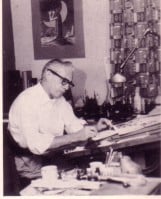 Forrest “Bud” Sagendorf was E.C. Segar’s young assistant on Popeye in the 1930s. When Segar died in 1938, King Features Syndicate considered Sagendorf too young to take over the comic strip. Instead, they put him to work in the bullpen where he worked on the Popeye comic books until 1958, when King decided to hand the strip over to him.
Continuing my little cartoonist series, here’s what Sagendorf had to say about his work back in 1964. This is pulled from an oversized saddle-stitched magazine from Allied Publications with the creatively-challenged title These Top Cartoonists Tell How They Create America’s Favorite Comics. It featured an introduction by Beetle Bailey’s Mort Walker and was compiled by Allen Willette. Newspaper comic strip writers and artists wrote about themselves and their work (or if they didn’t then their syndicate wrote it for them).
Here’s a previous entry in William Overgard.
And here’s the one on Fred Toole, the guy who wrote some absolutely tremendous Dennis the Menace comic books.
Here’s Sagendorf writing about himself:
Click to continue reading Bud Sagendorf: Popeye and Segar
William Overgard: Steve Roper, Mike Nomad, Rudy and Milton Caniff
Posted by Tom Mason Categories: Editorials,
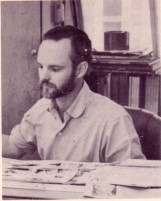 William Overgard was a writer, novelist, and comic book artist who had a long-running gig on the Steve Roper (later Steve Roper and Mike Nomad) comic strip. His bold line and storytelling owed a lot to his idol, Milton Caniff.
Continuing my little series on cartoonists, here’s what Overgard had to say about his work back in 1964. This is pulled from an oversized saddle-stitched magazine from Allied Publications with the creatively-challenged title These Top Cartoonists Tell How They Create America’s Favorite Comics. It featured an introduction by Beetle Bailey’s Mort Walker and was compiled by Allen Willette. My previous entry on Dennis The Menace’s Fred Toole can be found here.
Here’s Overgard:
Click to continue reading William Overgard: Steve Roper, Mike Nomad, Rudy and Milton Caniff