

Latest Andru Edwards Videos
Geared Up: The New 16-inch MacBook Pro, & the Motorola RAZR nostalgia is real!

Posted by Andru Edwards Categories: Apple, Smartphones, Features, PC / Laptop, Transportation,
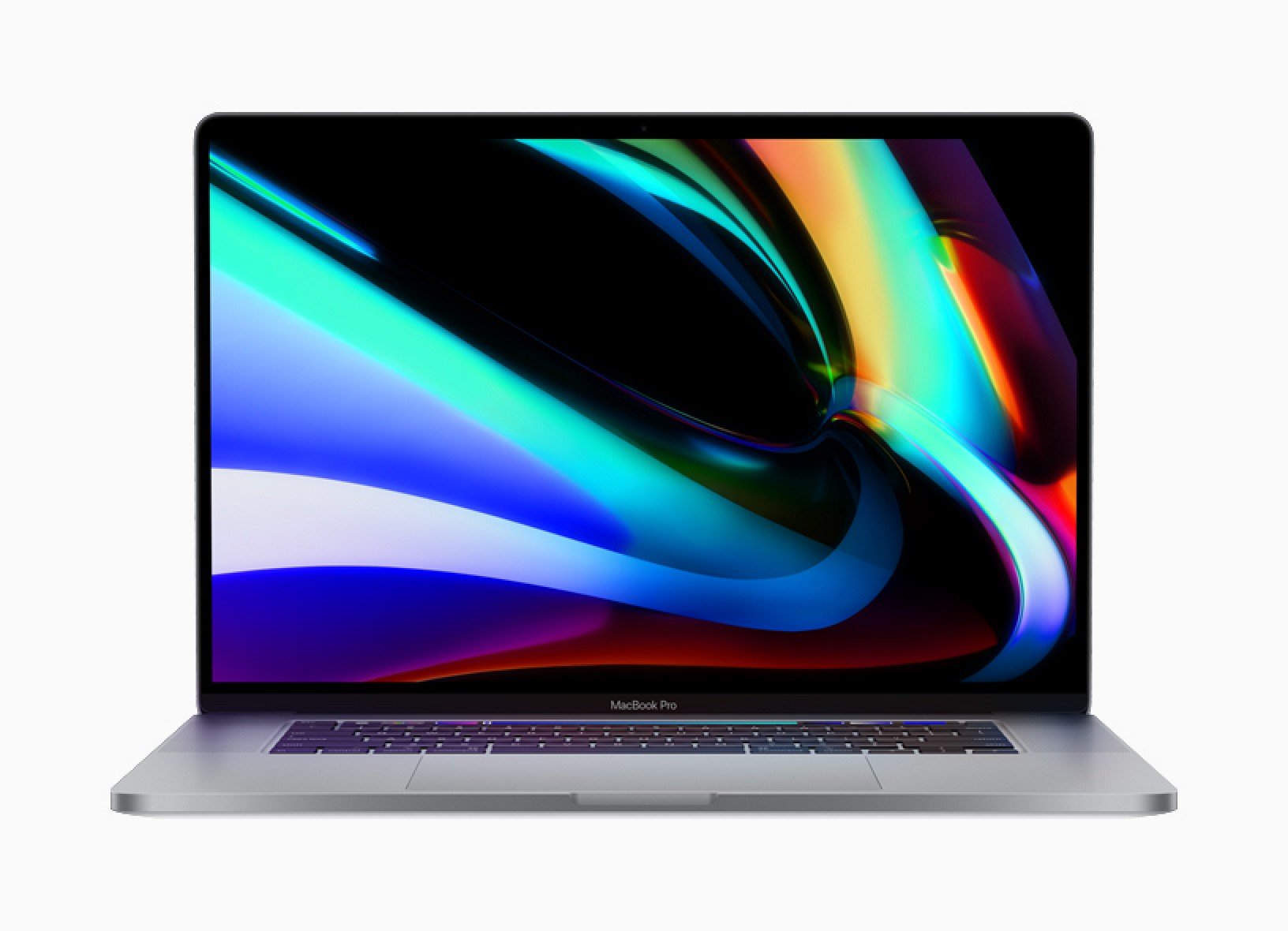
This week we talk about the arrival of the much-anticipated 16-inch MacBook Pro from Apple - have they addressed everything we’d hoped for? Motorola has officially revealed the new RAZR smartphone with foldable display, but is it worth it at $1500? We also speculate on what we expect from the Tesla CYBRTRK event, and the impact of the arrival of the Disney+ streaming service!
LINKS MENTIONED IN THE SHOW
SPONSOR: National Car Rental - skip the line with the Emerald Club. Go National. Go Like a Pro.
Listen to the episode in the player above or subscribe to Geared Up in your favorite podcast app to listen on the go:
Advertisement
Geared Up: AirPods Pro review, foldable Motorola RAZR, and the Pixel 4’s Shortcomings
Posted by Andru Edwards Categories: Smartphones, Features, Google, Transportation,
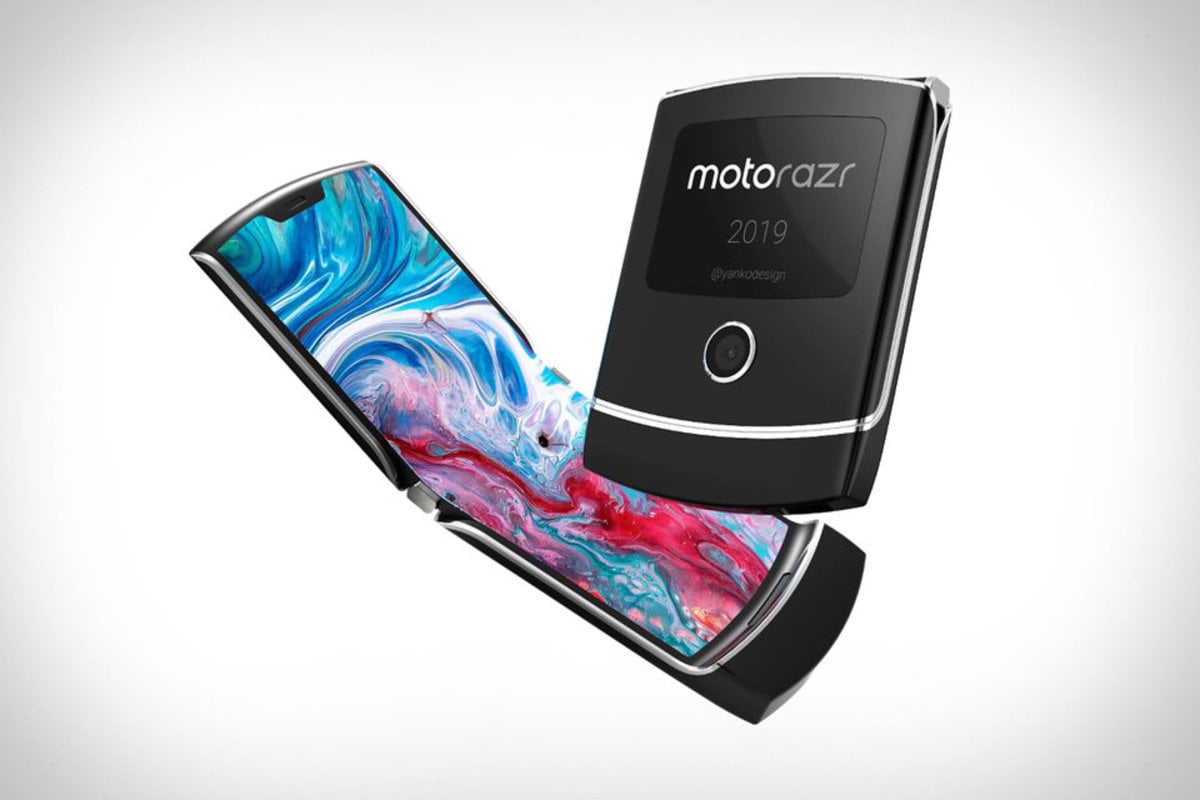
The AirPods Pro have been out for a week, and we bring you our hands-on (and ears-on) thoughts on Apple’s noise-cancelling earbuds. Motorola is about to bring back the RAZR, this time with a foldable display! Are folding clamshell smartphones about to make a comeback? We also talk about the woes of the Google Pixel 4, wondering if Google actually wants its smartphone line to do well in the market, or if they have other goals with their handhelds. Tesla is going to finally announce and reveal its Cybertruck in just over a week - we speculate on what we can expect!
LINKS MENTIONED IN THE SHOW
- AirPods Pro: Top 5 Features
- Hands-on with AirPods Pro
- Geared Up on YouTube
- Jon Rettinger on YouTube
- Andru Edwards on YouTube
SPONSOR: National Car Rental - skip the line with the Emerald Club. Go National. Go Like a Pro.
Listen to the episode in the player above or subscribe to Geared Up in your favorite podcast app to listen on the go:
Unboxing Live 160: Google Motorola Nexus 6
Posted by Andru Edwards Categories: Cell Phones, Features, Videocasts,
We open up the Google Motorola Nexus 6 Android smartphone in this episode. Running Android Lollipop, the Nexus 6 sports a brilliant 6" screen and dual front-facing stereo speakers, and a 3220mAh battery with turbo charging. You can pick up the Nexus 6 and use it with multiple carriers - this one is from AT&T.
You can pick up the Motorola Nexus 6 now.
Don't forget to subscribe to Gear Live's YouTube channel, and don't forget--we are giving away awesome perks for our Patreon backers - thanks for your support!
Click to continue reading Unboxing Live 160: Google Motorola Nexus 6
Moto 360 goes on sale, sells out quickly
Posted by Andru Edwards Categories: Accessories, Wearables,
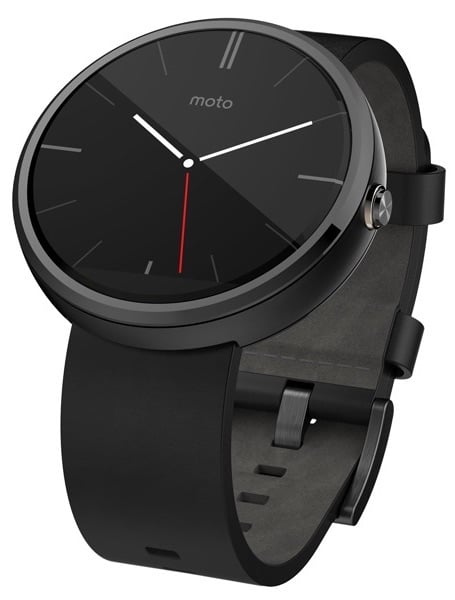
Motorola's long-awaited foray into the smartwatch arena is now official with the release of the Moto 360. The Android Wear device features a 1.65-inch circular display that's covered in Gorilla Glass, making it resistant to scratches and shattering. The watch is also water-resistant. Other features include all-day battery life, built-in pedometer, optical heart rate monitor, and a leather watch band (Motorola plans to release metal bands later this fall.) Users can charge the device wirelessly with the included charging cradle.
Click to continue reading Moto 360 goes on sale, sells out quickly
SOL Republic x Motorola Deck review
Posted by Andru Edwards Categories: Accessories, Music, Product Reviews, Wireless / WiFi,
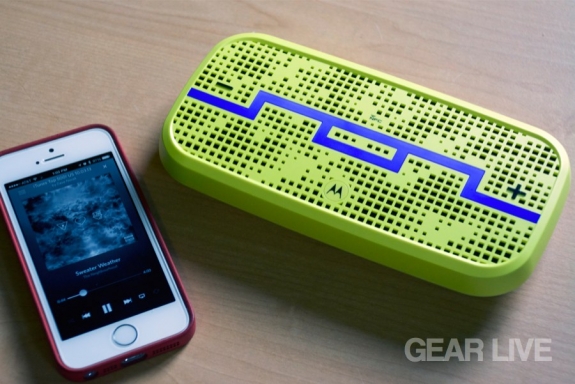
The world of the portable Bluetooth wireless speaker is a crowded one, but SOL Republic is confident that its Deck speaker can stand above the rest, what with it's unique feature set. The SOL Republic Deck is a $199 speaker that comes out of of a collaboration between the company and Motorola (which took care of the Bluetooth connectivity side of things,) resulting in a flat, eye-catching design that can pump your beats with relative ease. Is it worth your time and money? Join us for our SOL Republic Deck review as we answer that question.
Click to continue reading SOL Republic x Motorola Deck review
Moto X comes to Sprint in black and white for $199.99
Posted by Andru Edwards Categories: Smartphones, Google, Handhelds,
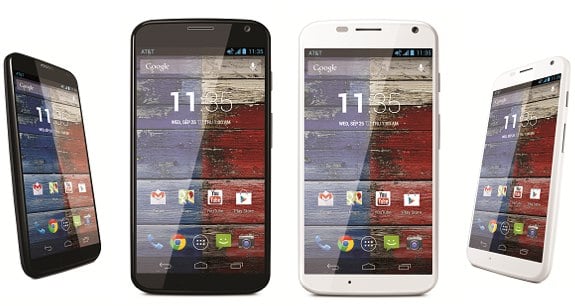
Now that the Moto X has landed on Verizon and AT&T, Sprint is up next to launch the customizable smartphone from Motorola. Sprint will have the Moto X for $199.99 with the typical two-year contract, but for a limited time, customers switching over a number from a competing carrier will get $100 off the price instantly, making the phone just $99.99. Sprint will offer the Moto X in woven black and white, with support for the highly-customizable Moto Maker versions coming later.
Google’s Motorola Moto X event set for August 1 in NYC

Posted by Jason Diaz Categories: Smartphones, Corporate News, Google, Handhelds,

Motorola fans, mark your calendars for August 1st, as that's the date set for the Moto X event in New York city. Some details of the device have leaked, such as the "always listening" mode for Google Now, snapping the phone to activate the camera, and giving customers customization options of the design of the smartphone like colors on the sides and rear. There is some speculation that the device will be budget-friendly, costing around $199 off-contract and available on all major US carriers. Perhaps the idea is to take on the highly-rumored technicolored low cost iPhone. Motorola is looking for a winner this time around, as previously the subsidiary of Google has posted a quarterly loss $342 million on the top of massive $12.5 billion acquisition. Curiosity here at Gear Live if the Moto X will run Google's latest and greatest Android software as they are hosting thier OS Android and Chrome event on the 24th of July.
Moto X phone will always be listening for voice commands
Posted by Jason Diaz Categories: Smartphones, Google, Rumors, Videos,
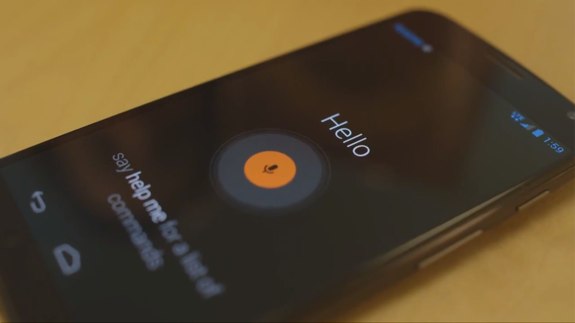
Looks like Google's goals for the Majel project is coming to full fruition with a Star Trek-like Always Listening mode on the upcoming Moto X smartphone. In a leaked video from Canadian wireless carrier, Rogers, we see that the passive voice command feature added allows Google Now use without the user having to press a button in order to prompt a request--all you have to do is say "Ok Google Now," to get the phone to listen up and do your bidding. Yep, just like Google Glass. In the video, the Moto X has an additional buttonless feature that allows a user to open the phone's camera with two flicks of the wrist. Additionally, we see that you can tap anywhere on the screen to snap a photo instead of just a specific UI button. The Moto X is expected to go on sale this summer. Check out the video after the break.
Click to continue reading Moto X phone will always be listening for voice commands
Read More  | Ausoroid
Motorola Droid RAZR Maxx HD: Huge battery provides 21 hours talk time
Posted by Andru Edwards Categories: Smartphones, Google, Handhelds,
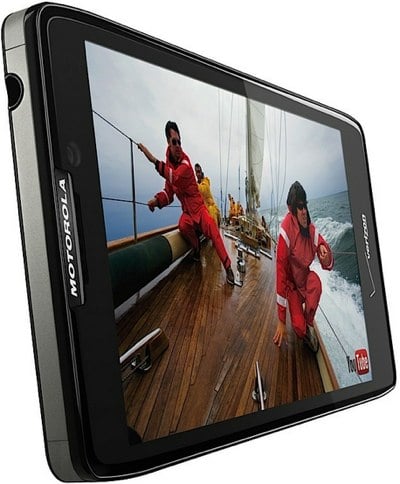
Alongside the Droid RAZR HD that Motorola and Google announced this morning, there's also a version with a much bigger battery--the Droid RAZR Maxx HD. It's pretty much the same as the RAZR HD, with the exception of packing in 32GB of internal storage, and an incredible 3,300mAh battery that Motorola claims will provide up to 21 hours of talk time, or 8 straight hours of LTE-powered web browsing. The RAZR Maxx HD is 9.3mm thin, so a tiny bit thicker than the regular RAZR HD, but that's the price you pay to be a road warrior, right? You'll be able to nab your own Droid RAZR Maxx HD this holiday season from Verizon. Be sure to check out the full Motorola. On Display. event video.
Verizon Droid RAZR HD: 4.7-inch display, LTE, Ice Cream Sandwich
Posted by Andru Edwards Categories: Smartphones, Corporate News, Handhelds,
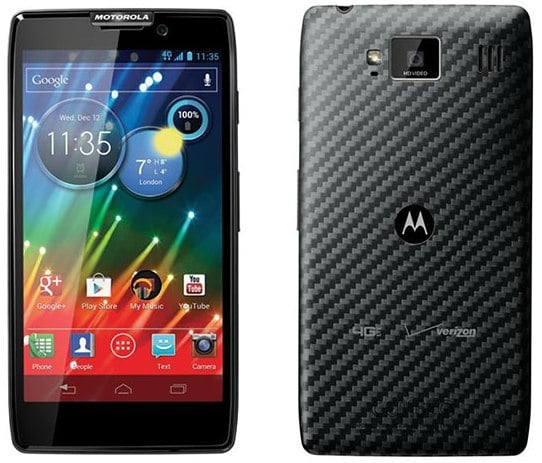
Motorola has finally (formally) unveiled the Droid RAZR HD, its new flagship device going into the holiday season. At its Motorola. On Display. event, the Droid RAZR HD was revealed as the world's most compact 4.7-inch smartphone, sporting a 4.7-inch 720p display, 8-megapixel rear-facing camera, NFC, 1.5GHz dual-core Snapdragon S4 CPU, and a nice 2,500mAh battery. The phone is wrapped in that same Kevlar coating that we saw on the original Droid RAZR and it 8.4mm thin. The Droid RAZR HD will ship with Android 4.0.4 Ice Cream Sandwich, but a Jelly Bean upgrade should drop before the end of the year. Expect the device to launch on Verizon, with 4G LTE in tow, this holiday season.
Click to continue reading Verizon Droid RAZR HD: 4.7-inch display, LTE, Ice Cream Sandwich