

Wednesday May 6, 2026 4:26 pm
Why the ASUS ProArt PX13 GoPro Is the Ultimate Field Laptop for Creators

Imagine a 13-inch laptop that costs $3,000 and doesn't even have a dedicated graphics card. Sounds like a tough sell. But somehow, this machine manages to trade blows with an RTX 4060.
This is the ASUS ProArt PX13 GoPro Edition. It goes way deeper than a simple brand collaboration. ASUS actually baked real software and hardware integration into this device. It is easily one of the most purpose-built machines for creators on the market today. Let's dive into what makes it special.
Built for the Wild
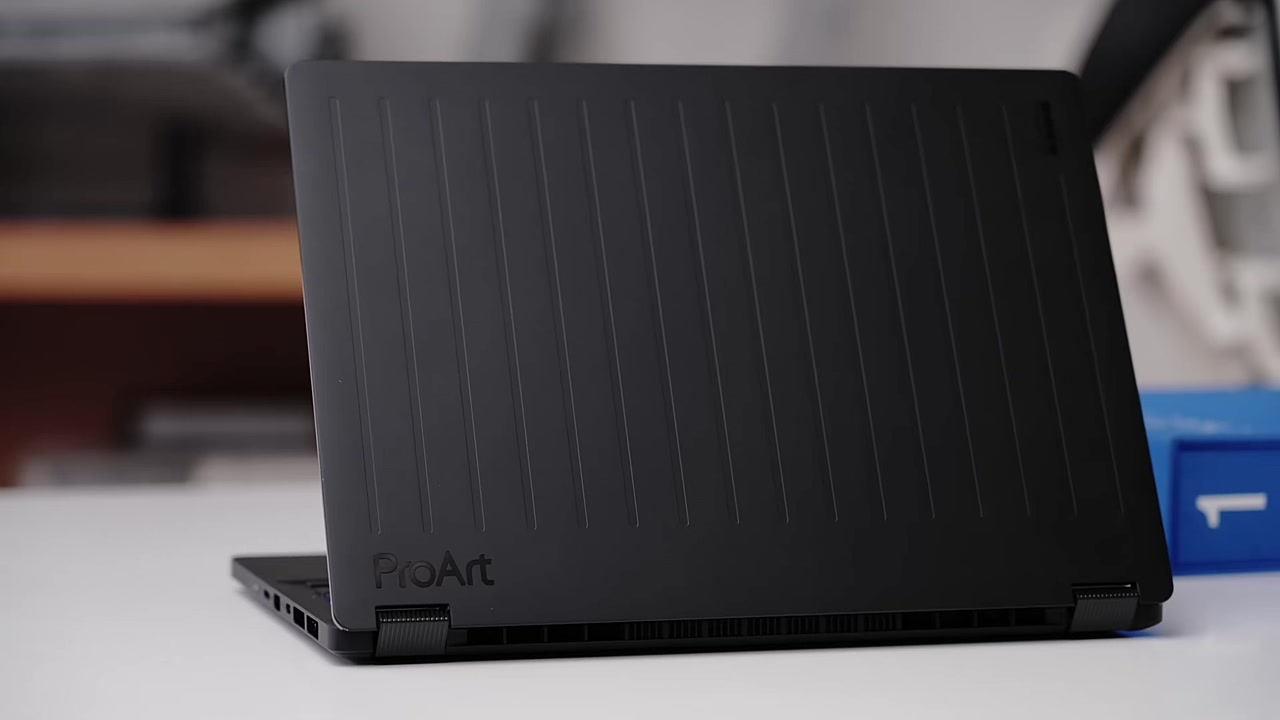
The first thing you notice is that this laptop has a very specific personality. CNC-machined grooves run across the lid in the exact same pattern GoPro uses on its cameras. They look cool, but they also give you extra grip when pulling the laptop out of your bag.
The entire aluminum chassis carries a MIL-STD 810H rating. That means it survived rigorous testing for drops, extreme humidity, and even sand. If you edit video out in the middle of nowhere, having that kind of durability in a frame that weighs just 2.8 pounds is a massive win.
Even the unboxing experience feels intentional. It ships with modular foam packaging you can repurpose for gear storage. You also get a hard-shell sleeve with specific attachment points built in for a selfie stick.

The Display Experience
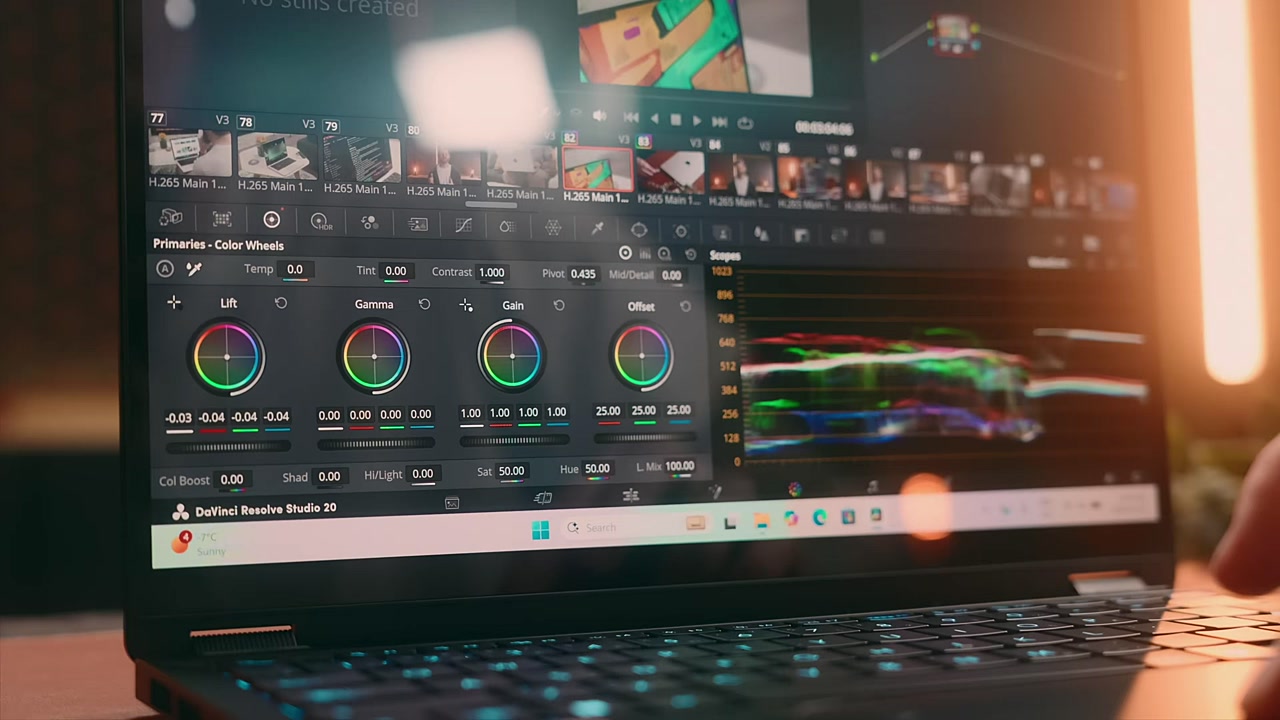
The display is a 13.3-inch 3K OLED panel covering 100% of the DCI-P3 color gamut. It is Pantone validated with a Delta E of under one. That means you can completely trust this screen for serious color grading.
There are a few limitations to keep in mind. The refresh rate is capped at 60Hz. The HDR brightness also peaks at just 500 nits.
That brightness ceiling becomes obvious the second you step outside into direct sunlight. Plus, if you are used to high-refresh screens, scrolling on this touch display does feel a bit sluggish compared to a modern MacBook Pro. It isn't a dealbreaker for a creative workstation, but you will notice it.
Unbelievable Performance without a Dedicated GPU
Can a tiny laptop handle 3K footage without stuttering like a slide show? Absolutely. The hardware approach here is fascinating.
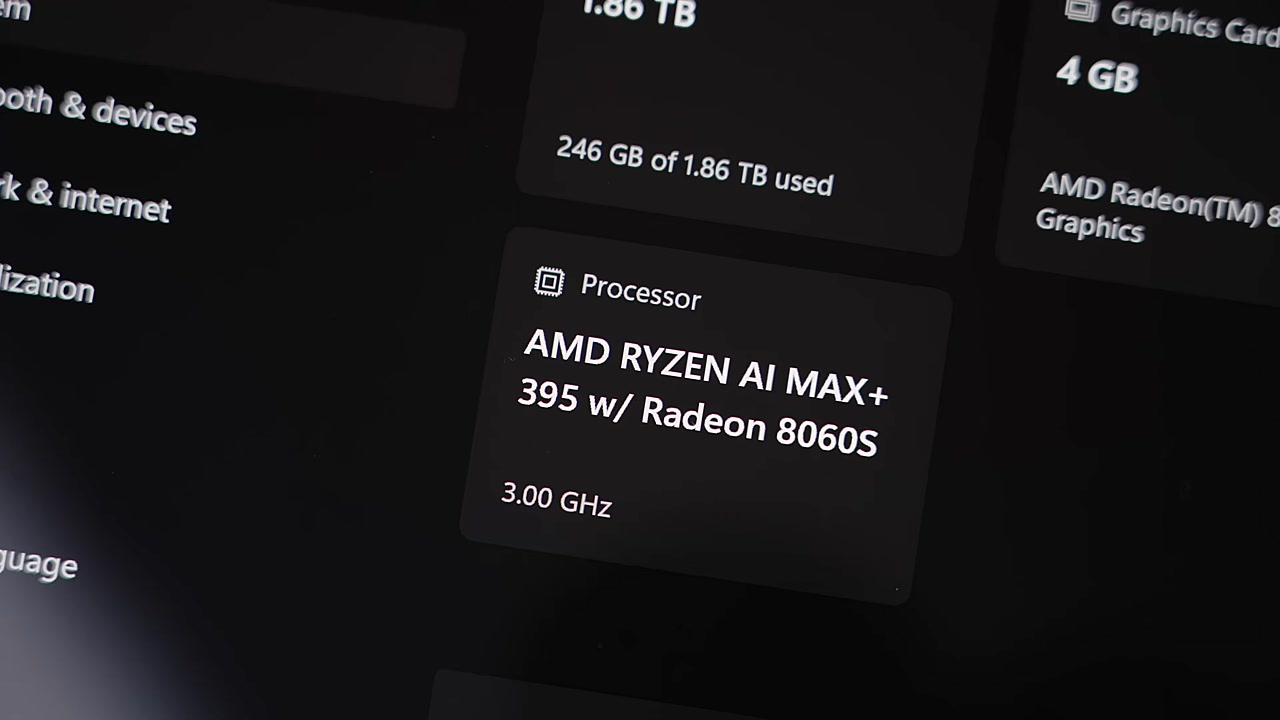
ASUS ditched the traditional NVIDIA chip found in the previous model. They replaced it with the AMD Ryzen AI Max+ 395 processor. The integrated Radeon 8060S graphics deliver performance that roughly matches an RTX 4060 in real-world tasks.
The real magic happens because of the unified memory architecture. This laptop packs 128GB of total shared RAM. You can assign up to 96GB of that directly to the GPU as VRAM. No traditional laptop with a separate graphics card can offer that much video memory. This gives you a massive advantage if you run local AI models.
When it comes to longevity, I recorded 11.5 hours on the PCMark 10 battery test. That puts it literally at the top of its class for this level of performance. Video renders finish about 58% faster than they did on last year's PX13. Video encoding speeds also saw a 47% increase.
Even though this isn't marketed as a gaming PC, it handles downtime brilliantly. Cyberpunk 2077 runs at a smooth 82 frames per second at 1080p.
The GoPro Creator Workflow
Raw power is useless if the software gets in your way. This is where the GoPro partnership stops feeling like a marketing gimmick and becomes a highly practical tool.
Pressing the dedicated F8 hotkey launches the GoPro Player instantly. You also get access to StoryCube. This is an AI media app from ASUS that connects directly to your GoPro cloud. It organizes your footage by location and device automatically. You can simply drag your clips directly from the StoryCube interface right into Premiere Pro or DaVinci Resolve.
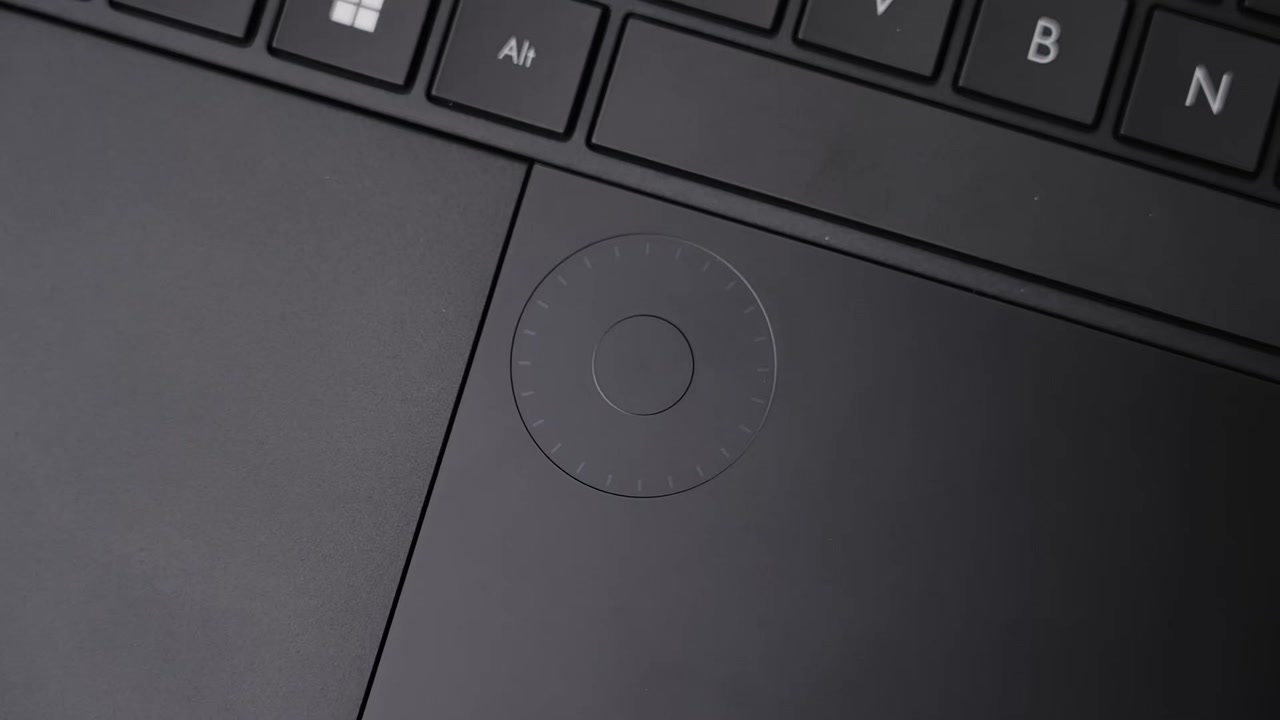
My absolute favorite feature is the DialPad built right into the trackpad. It lets you scrub through timelines with just your fingertip. Once you get used to adjusting color sliders without reaching for a mouse, going back to a standard trackpad feels like a massive downgrade.
What Works Well
- Massive memory flexibility: Allocating 96GB of VRAM to the GPU is incredible for handling heavy local AI tasks and massive video timelines.
- Ultra-portable durability: Getting MIL-STD 810H ruggedness in a 2.8-pound package gives you incredible peace of mind in the field.
- Streamlined editing tools: The trackpad DialPad and immediate GoPro cloud access genuinely speed up the mobile editing process.
What Could be Better
- Screen brightness: 500 nits is definitely tough to work with in bright outdoor environments.
- Fan noise: The fans get loud under a heavy load. It is distracting if you are working in a quiet room.
The Bottom Line
A $3,000 price tag puts this machine in direct competition with a high-end MacBook Pro. We have to be honest here. An Apple Silicon MacBook Pro is still going to win when it comes to raw rendering speeds, fan noise, and overall battery consistency.
But the ProArt PX13 offers crucial features that Apple refuses to build. You get a beautiful touch screen, active pen support, and a 360-degree hinge that flips into a tablet mode. Add in the rugged chassis and the seamless GoPro integration, and this becomes a highly compelling package. If your workflow relies heavily on pen input or field editing outside the studio, this is easily the best Windows creator laptop you can buy today.
- Related Tags:
Advertisement
Advertisement
Advertisement
© Gear Live Media, LLC. 2007 – User-posted content, unless source is quoted, is licensed under a Creative Commons Public Domain License. Gear Live graphics, logos, designs, page headers, button icons, videos, articles, blogs, forums, scripts and other service names are the trademarks of Gear Live Inc.
Comments: